If you live outside New York and are eyeing Brooklyn rental property, 11216 can look promising at first glance and complicated the moment you dig deeper. That is a common experience, especially when you are trying to compare brownstones, small multifamily buildings, condos, and co-ops from a distance. This guide will help you understand what out-of-town buyers should know about rental investing in Brooklyn 11216, from property types and leasing rules to local compliance issues that can shape your returns. Let’s dive in.
Why 11216 attracts investor attention
ZIP code 11216 is a mostly residential part of Brooklyn with a mix of apartment buildings, large homes, and single-family brownstones, according to New York City HPD. The area also has access to multiple subway and bus routes, along with Citi Bike, which adds to its appeal for people who want a connected urban setting.
For an investor, that mix matters. You are not looking at a one-format housing market where every opportunity fits the same model. In 11216, you may come across two-family homes, small multifamily rental buildings, and condo inventory in the same search.
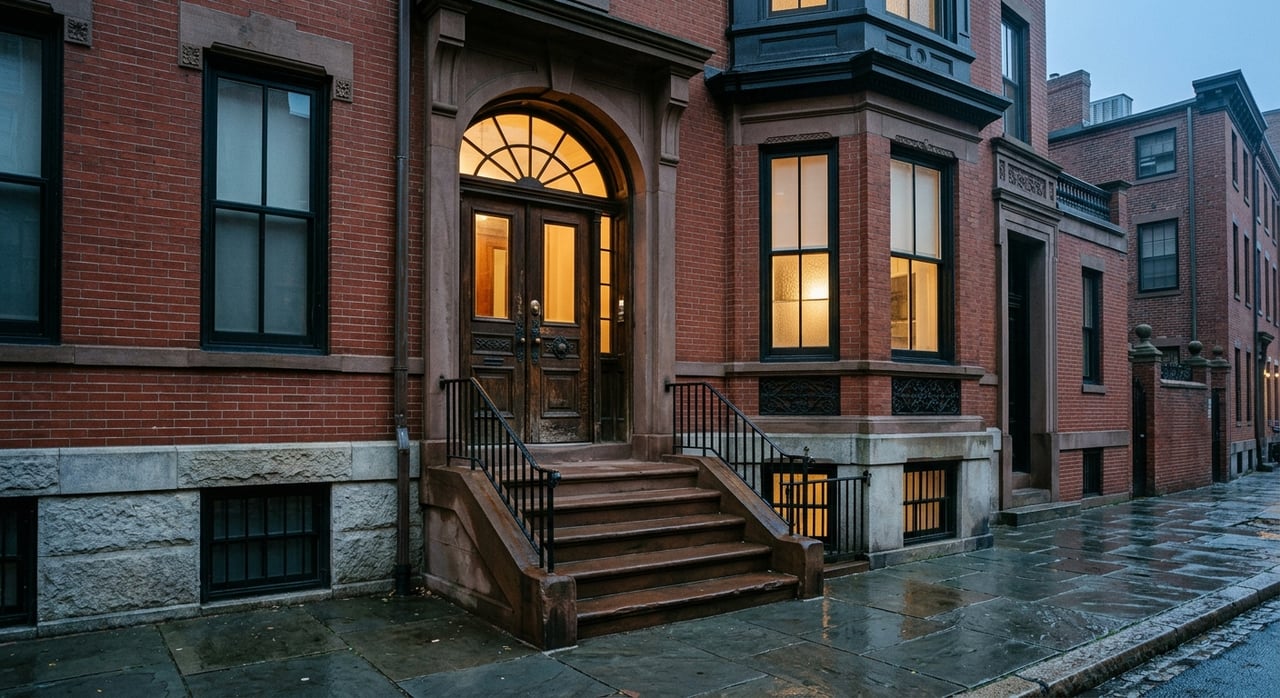
There is also an older housing-stock story here. In the broader Bedford-Stuyvesant area, late-19th-century row houses and brownstones are a defining architectural feature, which helps explain why many rental opportunities are lower-rise and older rather than newer tower product.
What you may actually buy
If you are investing from out of town, one of the biggest mistakes is assuming all residential properties work the same way as rentals. In 11216, the legal structure of the property can matter just as much as the building size or condition.
Two-family and small multifamily homes
Department of Finance sales data for Bedford-Stuyvesant and 11216 show transactions in two-family dwellings and 4 to 10 unit rentals. These properties may appeal to buyers who want direct control over leasing and operations, but they also bring hands-on management and compliance responsibilities.
For many investors, this is the most straightforward ownership format because you are typically buying the real property itself. Still, straightforward does not mean simple, especially in New York City.
Condos
Condo inventory also appears in local sales data, and condos can be attractive if you want a more defined ownership structure. In a condo, you own the unit outright and also share an interest in the common elements of the building.
That said, you should not assume a condo is automatically rental-friendly. Condo offering plans must disclose restrictions on leasing, use, resale, or mortgaging, and they may require notice to the board or include a right of first refusal before a lease goes forward.
Co-ops
Co-ops are a different category entirely. In a cooperative, you buy shares in a corporation and receive a proprietary lease for a specific apartment rather than owning the unit outright.
For rental investors, the key issue is subletting. The co-op’s by-laws, proprietary lease, certificate of incorporation, and house rules govern whether you can sublet and under what terms, so your rental strategy depends on the documents, not assumptions.
Why ownership structure affects cash flow
When buyers compare opportunities from afar, it is easy to focus on list price and expected rent. In 11216, your net numbers can shift quickly once you account for regulatory limits and monthly carrying costs.
Monthly costs are not the same
If you buy a condo, you will generally be looking at common charges plus separate property taxes. If you buy a co-op, you will generally pay maintenance charges based on share allocation.
Those ongoing costs can change the investment picture even when projected rent looks strong on paper. Two properties with similar rent potential may produce very different net results once those recurring expenses are included.
Rent rules can shape upside
In New York City, rent stabilization generally covers buildings built after 1947 and before 1974, along with some buildings that received J-51 or 421-a benefits. If a property is rent-stabilized, rents must be registered annually with HCR by July 31, which is separate from HPD property registration.
That means underwriting is not just about market rent. You need to understand whether rent regulation applies and what that may mean for rent growth, administration, and long-term planning.
Good Cause Eviction may also matter
New York City’s Good Cause Eviction law can affect many market-rate rental units, although the New York Attorney General lists important exemptions. These exemptions include high-rent units, rent-regulated units, condominium units, cooperative units, and some small landlords.
For an out-of-town buyer, the takeaway is simple. You should not assume the same leasing and renewal framework applies to every property type in 11216.
The leasing rules you need to verify
If your investment plan depends on flexibility, this is the section to take seriously. In Brooklyn, and especially in a mixed inventory area like 11216, rental rights are often document-driven.
Co-op sublets are never automatic
You may be able to rent out a co-op, but only if the governing documents allow it. The Attorney General recommends reviewing the full offering plan and consulting an attorney before signing a purchase agreement.
That advice is especially important for out-of-town buyers. If your timeline, financing, or projected income depends on leasing the apartment quickly, you need written confirmation of the sublet rules before moving forward.
Condo leasing still needs review
Many buyers view condos as easier rental assets than co-ops, and in some cases that may be true. But condo rental rights still depend on the offering plan and governing documents.
Restrictions may cover leasing terms, notice requirements, or board rights that affect timing and flexibility. So while condos may feel more investor-friendly, the details still matter.
Why local management matters more than you think
For an absentee owner, local management is not just a convenience. In many cases, it is part of staying compliant.
HPD requires annual property registration for residential multiple dwellings and for some one- and two-family homes that are not owner-occupied. The city uses that registration information for official notices and emergencies, which makes it a practical requirement for remote owners.
HPD also defines the managing agent as the person responsible for maintenance, operation, and authorizing emergency repairs. The managing agent must be a natural person over 21 who lives in New York City or customarily maintains a business office in the city.
That local presence requirement is important if you do not live nearby. It means you should think about management well before closing, not after the keys are in hand.
Co-op and condo registration works differently
If you buy a co-op or condo unit, you do not file building registration as the individual owner. The co-op board or condo board handles registration for the building.
Even so, you still need to understand the building’s rules, procedures, and leasing framework. Shared building administration does not remove the need for due diligence.
A practical underwriting checklist for out-of-town buyers
When you cannot easily walk every block or meet every board in person, your process needs to be especially disciplined. A smart review should focus on the issues most likely to affect rental use and cash flow.
Review these items before you buy
- Confirm whether the property is a two-family home, small multifamily, condo, or co-op
- Review monthly carrying costs, including maintenance, common charges, and separate taxes where applicable
- Determine whether rent stabilization may apply
- Confirm whether annual HCR registration is required for rent-stabilized units
- Verify HPD registration requirements for non-owner-occupied properties where applicable
- Review condo or co-op offering plans, by-laws, proprietary lease, and house rules
- Check whether leasing is allowed, limited, delayed, or subject to board procedures
- Plan for a local managing agent if the property requires one
- Build your team early, including a local attorney, property manager, and tax advisor
Fair housing and tenant screening basics
Any rental strategy in 11216 needs to comply with fair housing and source-of-income protections. Under New York law, you cannot refuse to rent, offer different terms, or advertise that vouchers are not accepted based on lawful source of income.
For investors, this is part of operating professionally in the market. Clear procedures and compliant screening standards matter just as much as the numbers on your spreadsheet.
A smart way to approach 11216 from afar
Brooklyn rental investing can work well for out-of-town buyers, but 11216 is a market where details matter. The mix of older housing stock, different ownership structures, rent rules, and local compliance requirements means you need more than a general investment thesis.
You need property-level clarity. If you approach each opportunity with careful document review, realistic underwriting, and a local support team, you can make better decisions and avoid expensive surprises.
If you are considering a condo, co-op, townhouse, or small multifamily opportunity in Brooklyn, Maria Nica offers a high-touch, detail-oriented approach to help you evaluate the right fit with confidence.
FAQs
Can an out-of-town buyer rent out a co-op in Brooklyn 11216?
- Only if the co-op’s proprietary lease, by-laws, and house rules allow subletting.
Can a condo in Brooklyn 11216 limit rentals?
- Yes. Condo documents may include leasing restrictions, notice requirements, or a board right of first refusal if disclosed in the offering plan.
Is ZIP code 11216 mostly residential?
- Yes. NYC HPD describes 11216 as mostly residential, with a mix of apartment buildings, large homes, and single-family brownstones.
What property types might an investor see in Brooklyn 11216?
- Local sales data show two-family dwellings, 4 to 10 unit rentals, and 2 to 10 unit condos in the area.
Does a remote owner need a local managing agent in New York City?
- In properties where HPD registration rules apply, the managing agent must be a natural person over 21 who lives in New York City or customarily maintains a business office in the city.
What is one of the biggest hidden costs in a Brooklyn rental investment?
- A common issue is the combined impact of rent regulation limits, Good Cause rules, monthly maintenance or common charges, and local compliance obligations.