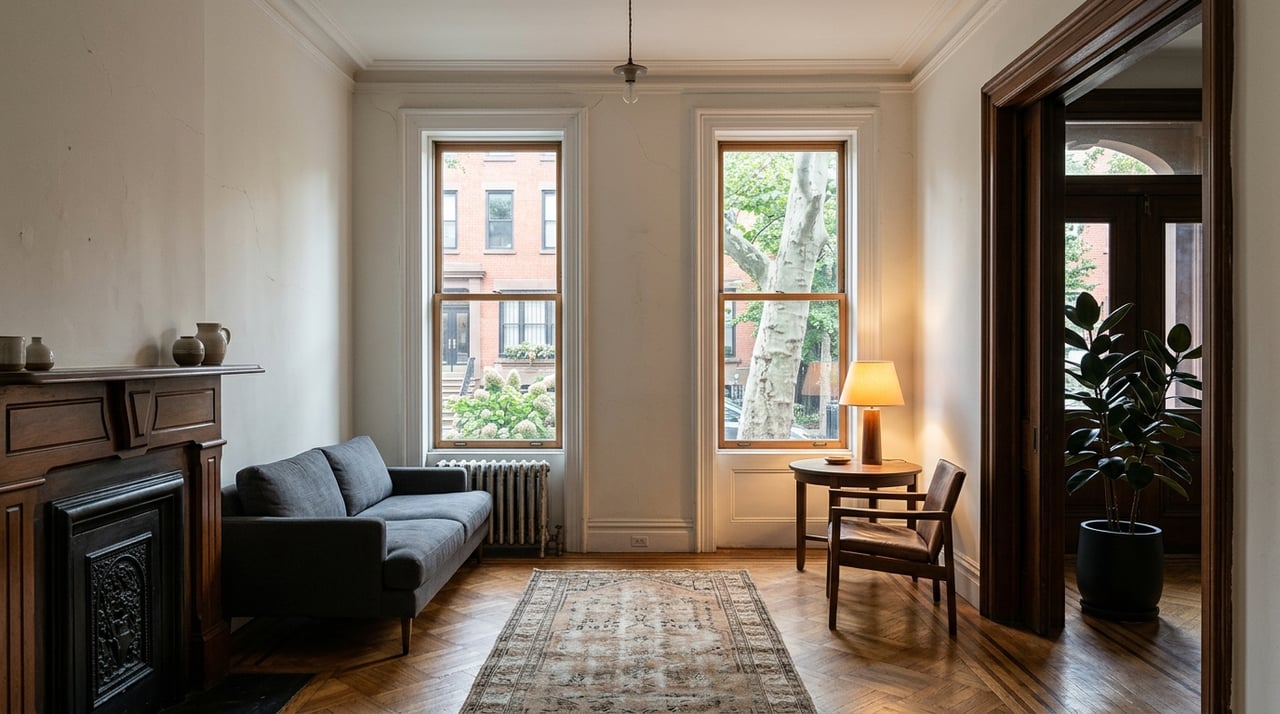
If you are drawn to a Brooklyn brownstone in 11216, you are probably falling for more than square footage. You are responding to a home style with history, vertical living, and a daily rhythm that feels very different from a newer condo or apartment. Understanding how brownstone life really works can help you buy more confidently, maintain the property wisely, and enjoy the home with fewer surprises. Let’s dive in.
What brownstone living means in 11216
In ZIP code 11216, brownstones are part of the larger Bedford-Stuyvesant and Crown Heights housing mix. According to NYC Planning, the area includes many single-family homes, and brownstones are a familiar part of the streetscape.
That said, a Brooklyn brownstone is not one single house type. Historic reports for Bedford-Stuyvesant and Crown Heights North describe rows of late-19th-century houses built mostly between the 1870s and 1900s in styles that include Italianate, neo-Grec, Queen Anne, Romanesque Revival, and Renaissance Revival, as noted in this Bedford-Stuyvesant planning overview.
Brownstone style at a glance
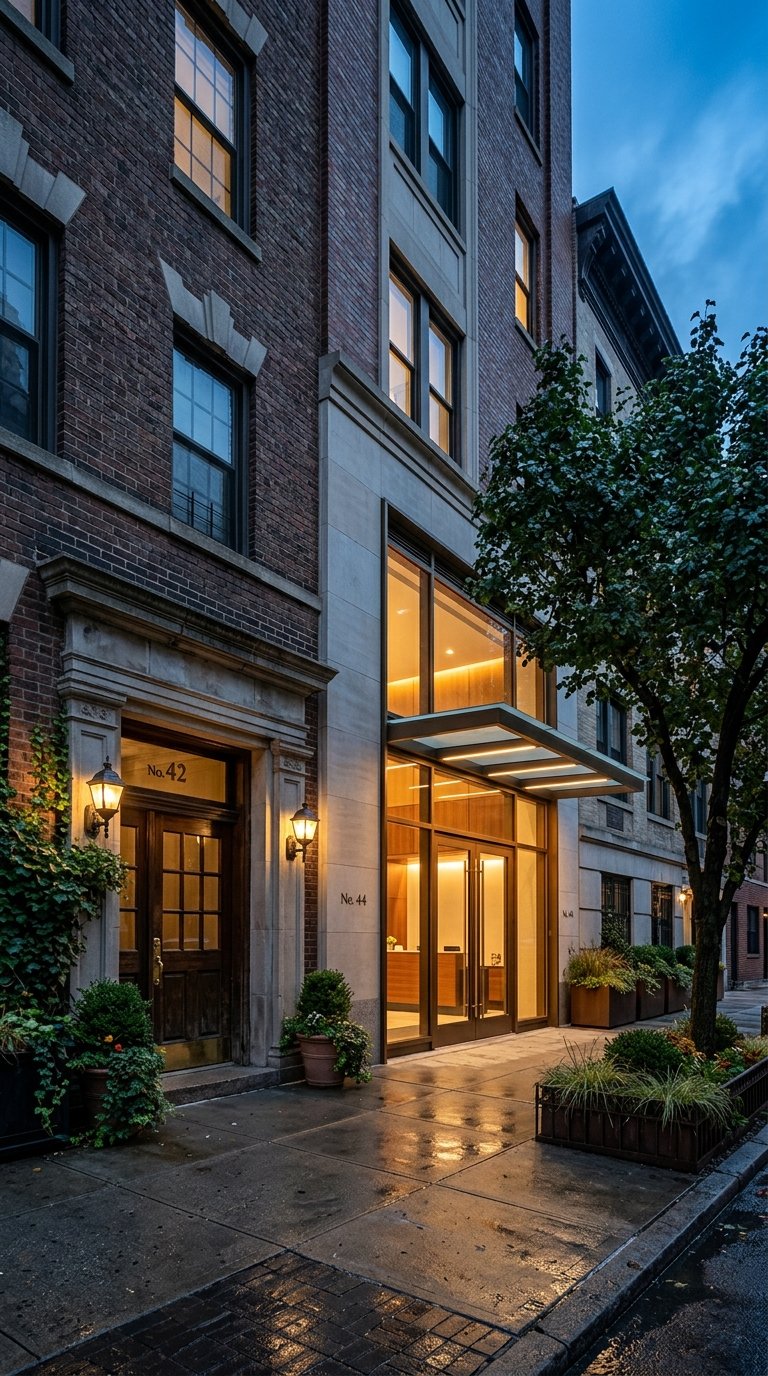
Many homes people call brownstones share a recognizable set of exterior details. Historic examples often feature a rusticated brownstone base, stoops, stone lintels and sills, cornices, and iron railings, sometimes with brick upper stories above the stone base, as described in an LPC designation report.
These details are part of what gives 11216 blocks their visual rhythm. They also matter when you are evaluating upkeep needs, exterior work, and whether changes may require review.
Common layout patterns
A classic rowhouse layout often follows the English basement plan. In this arrangement, you typically have a lower-level entry, a low stoop, and a formal parlor floor above with taller ceilings and larger windows, based on LPC documentation.
In daily life, that usually means more stairs and more separation between floors than you would find in newer housing. For some buyers, that is part of the appeal. For others, it is an adjustment that should be considered early.
The daily routine of brownstone ownership
Brownstone living comes with a distinct maintenance rhythm. Older homes can be deeply rewarding, but they also ask for more regular attention than many turnkey properties.
The City’s HPD homeowner guidance recommends that owners inspect and clean the exterior, watch for issues at the foundation, vents, gutters, and drainpipes, test smoke and carbon-monoxide detectors, and keep sidewalks and steps clear. Those tasks may sound basic, but in an older rowhouse they are central to protecting both safety and long-term value.
Water management matters most
If there is one recurring theme in rowhouse care, it is water. The LPC Rowhouse Manual emphasizes drainage because clogged gutters and leaders can send water down the façade, leading to peeling paint, wood rot, and masonry deterioration.
A practical routine is to inspect and clean gutters and leaders every six months, or at least once a year. For brownstone owners, this is not just seasonal housekeeping. It is preventive maintenance that can help you avoid larger repair bills later.
Safety systems need routine checks
Safety systems are another non-negotiable part of ownership. HPD states that residential properties must have smoke detectors, carbon-monoxide detectors, and in covered residential buildings, natural-gas detectors, with routine testing and battery replacement as needed through its homeowner resources.
For homes where children under 11 live, window guard requirements may also apply. In older housing stock, staying on top of these basics is part of responsible ownership, not a last-minute fix.
Heating season is a real responsibility
If your brownstone includes multiple units, heating responsibilities become especially important. HPD notes that heat must be provided from October 1 to May 31 under the city’s temperature standards, and the Department of Buildings says owners are responsible for safe boiler operation and should use licensed, qualified professionals for boiler work, as outlined in this property owner bulletin.
This is one reason buyers should look beyond finishes and staging. Mechanical systems, boiler condition, and service history can have a major impact on your first year of ownership.
What buyers should ask before closing
A brownstone purchase often requires more due diligence than a newer apartment purchase. The architecture is charming, but the questions are more layered.
Start with occupancy, permits, and landmark status. Those three areas can affect how you use the home, what work has been done properly, and what future updates may require.
Basement or cellar?
This is one of the most important questions in an older townhouse. According to HPD, a basement is partly above curb level, but a cellar in a one- or two-family home can never be lawfully rented or occupied for residential use.
That difference matters if you are evaluating a garden-level setup, separate entry, or lower-level rooms shown as living space. Buyers should confirm legal occupancy and permit history rather than rely on informal descriptions.
Is the property landmarked?
Many brownstone blocks in Brooklyn fall within historic districts, and that can shape what ownership looks like. The Landmarks Preservation Commission explains that owners of designated buildings typically need approval for most exterior alterations.
That does not mean owning a landmarked home is a drawback. It does mean you should understand the review process before planning new windows, door changes, masonry work, roof additions, or major stoop alterations.
Renovation rules to know
In New York City, many construction projects require a DOB permit filed by a licensed professional. If the property is landmarked or inside a historic district, you may also need LPC approval before work starts, according to the City’s permit guidance.
For buyers who want to personalize a brownstone, this is an important planning point. Exterior work is not always as simple as hiring a contractor and getting started.
Types of LPC approvals
The City explains that LPC generally sorts applications into three categories through its landmarked property work guide:
- Certificate of No Effect for DOB work that does not affect protected features
- Permit for Minor Work for items like some window or door replacements and masonry repairs that do not need a DOB permit
- Certificate of Appropriateness for major visible changes such as rooftop or rear-yard additions, demolitions, or significant changes to stoops and cornices
Some repairs may be straightforward, such as replacing broken glass or repainting a door the same color. But if the work changes the exterior character of the building, it is wise to verify requirements before making plans.
Health and age-related issues to watch
Older homes often come with responsibilities that go beyond appearance. In Brooklyn brownstones, lead paint and general building condition deserve close attention.
HPD states that buildings built before 1960 have lead-based paint obligations. The Bedford-Stuyvesant-Crown Heights neighborhood reporting referenced in the research also notes higher rates of child lead poisoning and peeling paint in older homes, along with heat-related hospitalizations and carbon-monoxide incidents where detectors were missing.
The takeaway is simple: maintenance is not only about preserving a beautiful façade. It is also about keeping the home safer and functioning as intended.
A practical first-year brownstone checklist
If you are buying in 11216, your first year should focus on documentation, safety, and water control. That gives you a clearer baseline before taking on larger cosmetic projects.
Here is a smart starting checklist:
- Confirm whether the building is in a historic district or individually designated
- Review permit history and legal occupancy, especially for lower levels
- Inspect gutters, leaders, drainage paths, steps, and exterior masonry
- Test smoke and carbon-monoxide detectors right away
- Review boiler condition, service records, and heating setup if applicable
- Check for peeling paint and ask follow-up questions for pre-1960 properties
- Keep sidewalks, stoops, and areaways clear and in safe condition
For many buyers, the best approach is to think of a brownstone as both a home and an ongoing stewardship project. That mindset helps you budget more realistically and prioritize work in the right order.
Why brownstones still attract buyers
Even with the added upkeep, brownstones continue to stand out because they offer something hard to replicate. You get architectural detail, vertical separation of space, a strong connection to the block, and a home that feels tied to Brooklyn’s historic fabric.
In 11216, that appeal is especially strong because the neighborhood context supports it. Brownstones here are not isolated exceptions. They are part of the area's established residential identity and streetscape.
If you are considering a brownstone purchase, the goal is not just to admire the style. It is to understand the building well enough to enjoy it with confidence. If you want help evaluating townhouses, comparing ownership tradeoffs, or planning a smart search in Brooklyn, Maria Nica offers a thoughtful, high-touch approach to finding the right fit.
FAQs
What makes a Brooklyn brownstone in 11216 different from a regular townhouse?
- In 11216, many brownstones are late-19th-century row houses with features like stoops, brownstone bases, cornices, and vertically arranged floor plans rather than a single modern townhouse format.
What should buyers know about basement living space in a Brooklyn brownstone?
- HPD distinguishes basements from cellars, and a cellar in a one- or two-family home cannot be lawfully rented or occupied for residential use, so legal occupancy should always be verified.
What exterior work on a landmarked Brooklyn brownstone may need approval?
- Exterior changes such as some window or door replacements, masonry work, rooftop additions, rear-yard additions, and major changes to stoops or cornices may require LPC review depending on the scope.
What routine maintenance matters most for brownstone owners in Brooklyn?
- Water management is a top priority, including regular inspection and cleaning of gutters and leaders, along with exterior checks, detector testing, and keeping steps and sidewalks clear.
Why is lead paint a concern in older Brooklyn brownstones?
- Homes built before 1960 may have lead-based paint obligations, and older housing conditions such as peeling paint can create health and maintenance issues that buyers should address early.