Wondering what daily life in the Bronx really feels like? The answer is more layered than many people expect. If you are considering a move, comparing neighborhoods, or simply trying to understand the borough better, it helps to look at how housing, parks, and culture come together in everyday routines. Let’s dive in.
Bronx Housing Feels Varied
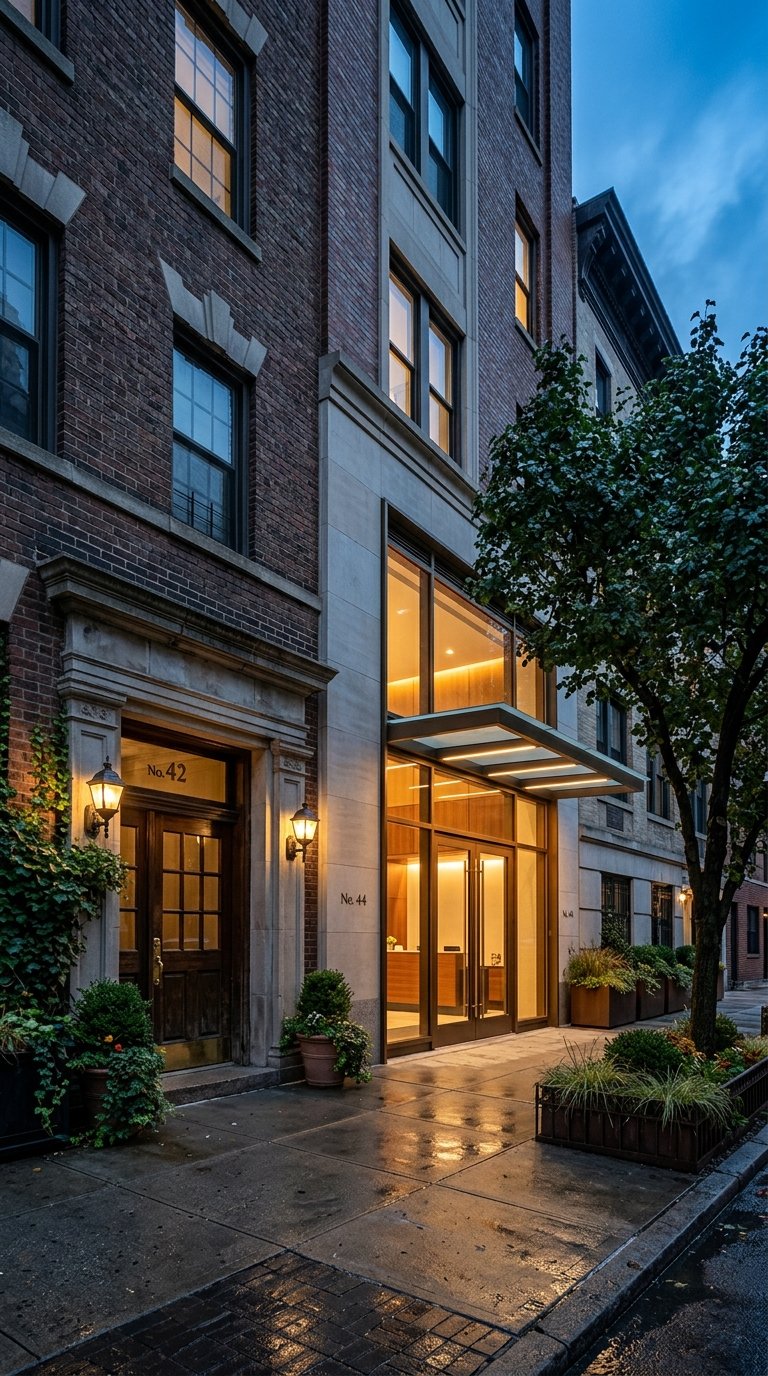
The Bronx is a borough of contrasts, and that shows up clearly in its housing. Borough-wide, it is largely renter-oriented, with 574,110 housing units and a 20.1% owner-occupied housing unit rate in 2020 through 2024. In practical terms, that means apartment living plays a big role in daily life, even though homeownership has a strong presence in certain areas and building types.
If you are exploring the Bronx as a buyer or seller, it helps to think less in terms of one borough-wide identity and more in terms of distinct neighborhood patterns. Some areas lean toward co-ops and mid-rise buildings, while others are known for detached houses or lower-scale waterfront living. That variety is part of what makes the Bronx such a nuanced residential market.
Co-ops Shape Many Choices
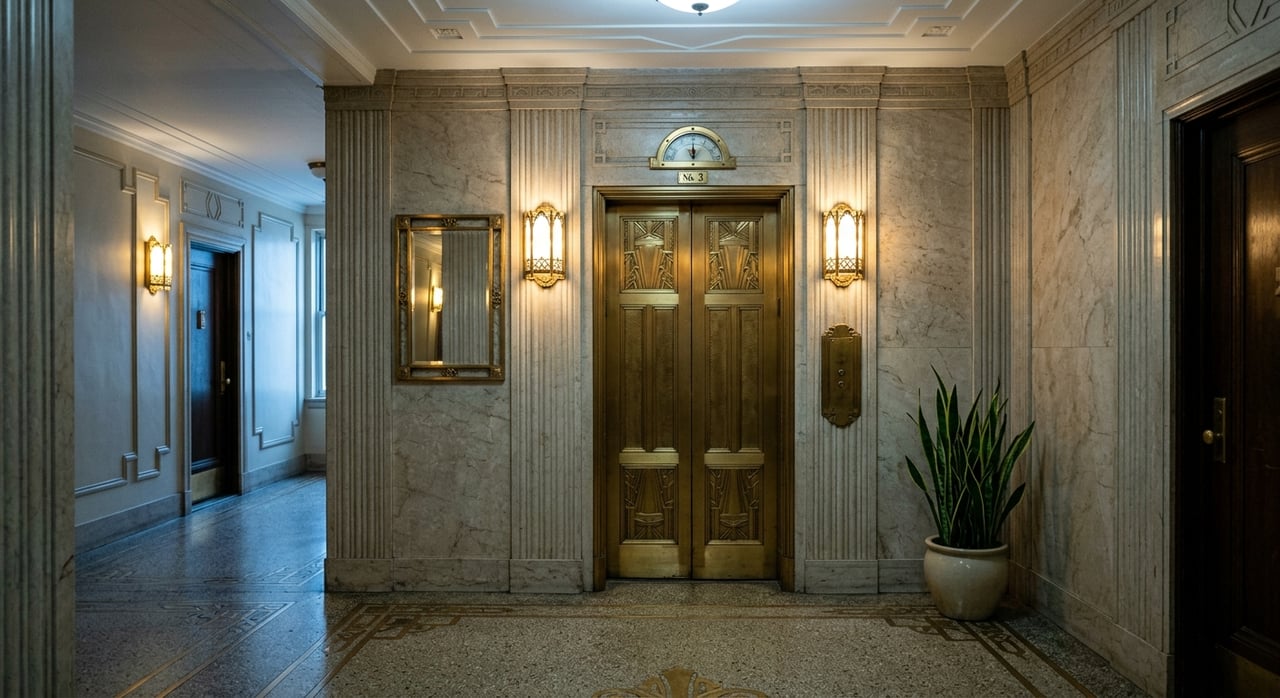
Cooperative housing is a meaningful part of the Bronx story. One of the clearest examples is Co-op City, which the New York City Department of Housing Preservation and Development identifies as the largest housing cooperative in the world. The city also secured its affordability through 2052, which underscores how important this housing type is in the borough.
For buyers, that means the Bronx can offer ownership paths that look different from a typical condo search. For sellers, it means buyer expectations may be shaped by co-op rules, affordability considerations, and building-specific requirements. A neighborhood-level strategy matters because the housing stock is not one-size-fits-all.
Detached Homes Still Matter
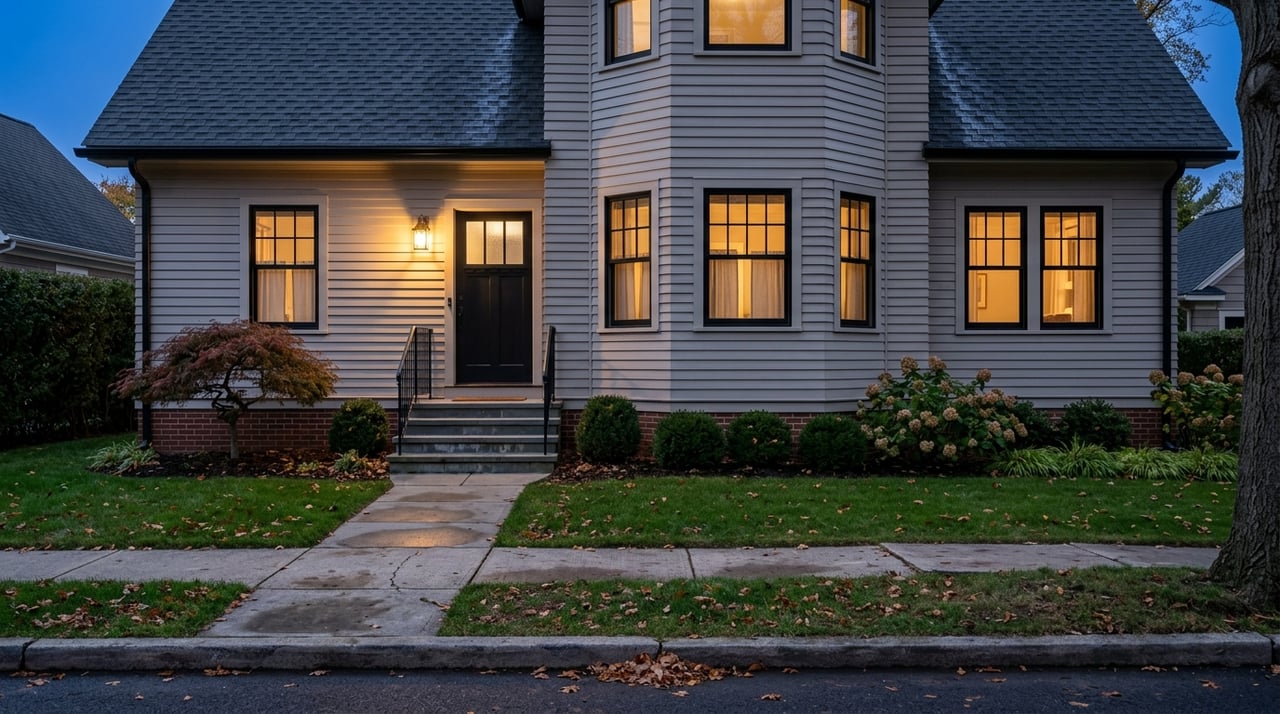
While the Bronx is apartment-heavy overall, detached and semi-detached homes remain a defining part of life in certain neighborhoods. In Pelham Bay, city planning documents describe one of the borough’s strongest one- and two-family house areas, with the rezoning area made up of roughly 72% detached homes and 17% semi-detached homes. That creates a very different residential feel from denser apartment districts.
City Island offers another distinct setting. According to city planning materials, it keeps a village-scale character with one- and two-family detached houses, along with marinas, boat yards, and seafood restaurants. If you are looking for a home search experience in the Bronx that feels lower-scale and more waterfront-oriented, this is part of the borough’s appeal.
Riverdale Offers Another Housing Mix
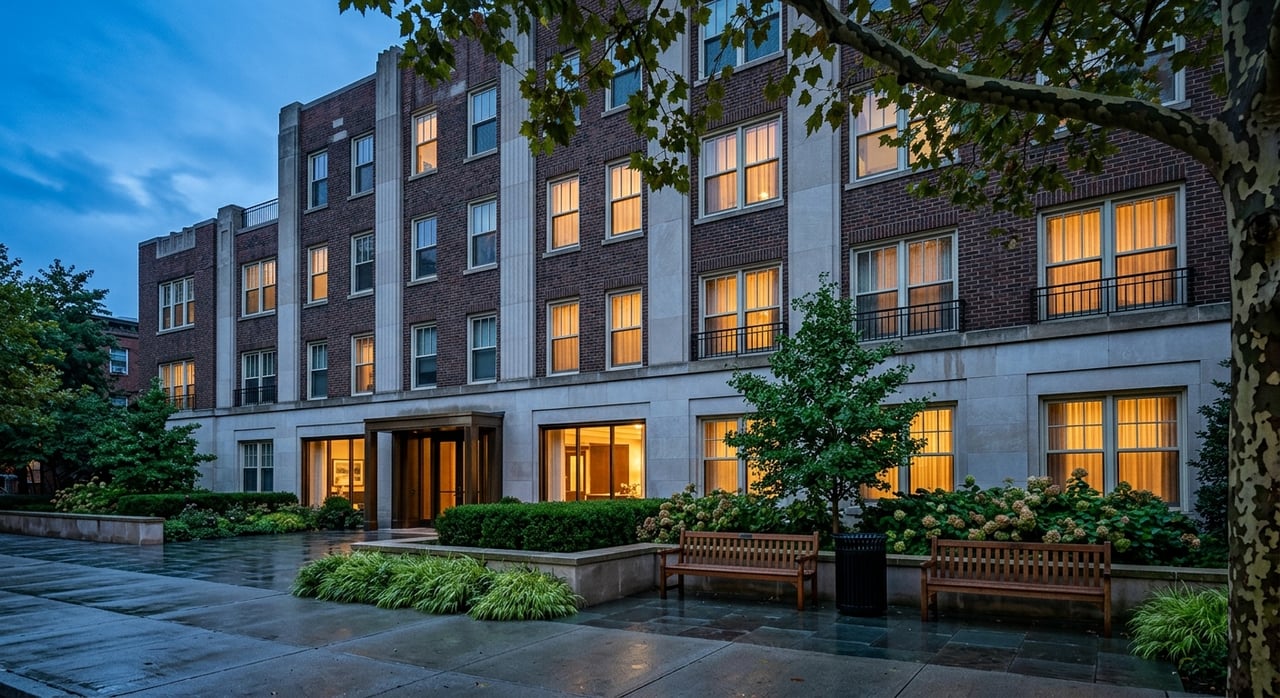
Central Riverdale and Spuyten Duyvil show yet another side of Bronx housing. The New York City Department of City Planning describes the area as having varied topography, river views, and a mix of low-rise and mid-rise housing, with most residential lots in the study area containing buildings no higher than eight stories. That combination creates a residential experience that can feel visually and physically different from other parts of the borough.
For anyone relocating within New York City, this is an important reminder that the Bronx is not defined by a single streetscape. Your day-to-day experience can shift significantly depending on whether you want a cooperative, a detached house, or a lower-rise apartment setting.
Parks Anchor Daily Life
One of the strongest quality-of-life themes in the Bronx is access to major parks. These are not just small neighborhood green spaces. They are large, active landscapes that support walking, exercise, recreation, and family outings as part of regular life.
In many parts of the borough, outdoor space is part of the rhythm of the week. You are not choosing between city living and nature access in quite the same way people often assume. The Bronx offers both, and at a scale that stands out across New York City.
Pelham Bay Park Stands Out
Pelham Bay Park is New York City’s largest park property at 2,771.75 acres. It includes hiking trails, Orchard Beach, Bartow-Pell Mansion, two golf courses, and a 13-mile shoreline along Long Island Sound. That amount of space gives residents a wide range of ways to spend time outdoors without leaving the city.
For some households, proximity to Pelham Bay Park shapes weekend routines as much as a home’s square footage does. Access to shoreline, trails, and open space can be a meaningful part of how you evaluate where you want to live.
Van Cortlandt Park Feels Expansive
Van Cortlandt Park is New York City’s third largest park at 1,146 acres. The city describes its ridges, valleys, forests, wetlands, and scenic lake as giving it the feeling of a regional nature destination rather than a typical city park. That makes it especially notable for people who value a more immersive outdoor setting.
If you want your neighborhood lifestyle to include regular walks, trail access, or time in a more natural landscape, this part of the Bronx has a lot to offer. It adds another layer to what daily living in the borough can look like.
Crotona Park Supports Everyday Recreation
Crotona Park is smaller than Pelham Bay Park and Van Cortlandt Park, but at 127.5 acres it is still substantial. It includes a 3.3-acre lake, the largest pool in the borough, 20 hard courts, 11 playgrounds, and a nature center. That blend of features makes it feel especially tied to everyday recreation.
For residents, parks like Crotona are not only scenic. They are practical. They support after-school play, exercise, weekend activities, and time outdoors close to home.
Bronx Park Blends Nature And Culture
Bronx Park connects green space with two of the borough’s best-known institutions: the Bronx Zoo and the New York Botanical Garden. This makes it a strong example of how the Bronx often blends recreation, learning, and culture in one place. Instead of culture feeling separate from daily life, it is woven into familiar routines.
That matters if you are thinking about lifestyle, not just housing. Easy access to institutions like these can shape how often you explore, host visiting friends, or spend time with family on weekends.
Culture Feels Accessible
The Bronx has major cultural institutions, but many of them feel approachable and integrated into daily life. Rather than being reserved for special occasions only, they often function as regular gathering places, educational spaces, or easy weekend destinations.
This gives the borough a culture that feels lived-in. You are not just near well-known places. In many cases, they become part of your normal routine.
Bronx Zoo And Botanical Garden
The Bronx Zoo opened in 1899, spans about 265 acres, and houses more than 11,000 animals across more than 640 species. The New York Botanical Garden has been part of the Bronx since 1891 and describes its 250 acres as a connective hub among people, plants, and the planet. Together, these institutions give the borough an unusual concentration of large-scale cultural and environmental assets.
For residents, that can translate into repeat visits rather than one-time tourism. Living near places of this scale can make family outings, walks, and seasonal activities easier to build into your calendar.
Art And Garden Spaces Add Range
The Bronx Museum of the Arts offers free admission and serves as a contemporary art anchor for the borough. It also broke ground in 2024 on a major renovation. That continued investment reflects the borough’s ongoing cultural energy.
Wave Hill offers a different pace. Its 28 acres of gardens and woodland, along with views of the Hudson River and the Palisades, create a quieter setting for reflection and outdoor enjoyment. Together, these institutions show the breadth of the Bronx experience, from contemporary art to contemplative garden space.
Everyday Commerce Is Neighborhood-Based
Another important part of life in the Bronx is how commercial activity tends to organize itself around neighborhood corridors. Instead of one single borough-wide restaurant district, the food and shopping experience is often local, practical, and tied to specific blocks.
That can be a real advantage when you are evaluating where to live. It means your daily routine may center on nearby bakeries, markets, casual dining spots, and shopping streets that feel closely connected to residential life.
Arthur Avenue Has Lasting Identity
Belmont’s Arthur Avenue remains one of the borough’s signature food corridors. Recent borough president coverage highlights family-run bakeries, pastry shops, fish markets, delis, and artisan merchants. City planning documents also note the area’s historic Italian American institutions, restaurants, and bakeries.
For residents, this kind of corridor adds everyday texture. It is not only a destination for visitors. It is also part of the neighborhood fabric that shapes errands, meals, and weekend plans.
Fordham Road Serves Daily Needs
Fordham Road is the borough’s longest shopping strip, and Fordham Plaza adds seating, food kiosks, and a vendor market in a major transit hub. The overall effect is practical and day-to-day rather than purely destination-focused. That makes the area especially relevant for people who value convenience and regular foot traffic.
When you think about quality of life, these practical corridors matter. They help define how easy it feels to grab a meal, run errands, or move through the neighborhood during a normal week.
City Island Offers A Different Rhythm
City Island stands apart for its waterfront atmosphere. In addition to its one- and two-family detached homes, city planning materials note its marinas, boat yards, and seafood restaurants. That combination gives it a distinct commercial character that feels connected to the water.
For some buyers, that is exactly the appeal. It offers a different rhythm from denser corridors elsewhere in the borough while still being part of the Bronx housing picture.
What This Means For Buyers And Sellers
If you are thinking about buying in the Bronx, the main takeaway is simple: your lifestyle fit depends heavily on the specific neighborhood and housing type you choose. A co-op search, a detached-house search, and a lower-rise apartment search can each lead to a very different version of Bronx living. Parks, cultural access, and neighborhood shopping streets are often just as important as the home itself.
If you are selling, that same variety creates an opportunity. The strongest marketing usually connects the property to the daily-life advantages around it, whether that means major park access, a well-known dining corridor, or a distinct housing style within the borough. Clear positioning helps buyers understand not only the home, but also the rhythm of life it supports.
The Bronx offers a broad mix of housing, large-scale green space, and cultural institutions that are woven into everyday routines. If you want help understanding how a specific Bronx neighborhood fits your goals, Maria Nica can help you navigate your next move with a personalized, informed approach.
FAQs
What is housing like in the Bronx?
- The Bronx has a largely renter-oriented housing market overall, but it also includes cooperative housing, detached homes, semi-detached homes, and low-rise or mid-rise residential areas depending on the neighborhood.
What are some major parks in the Bronx?
- Major parks include Pelham Bay Park, Van Cortlandt Park, Crotona Park, and Bronx Park, each offering different types of outdoor space and recreation.
What makes Pelham Bay Park notable in the Bronx?
- Pelham Bay Park is New York City’s largest park property at 2,771.75 acres and includes trails, Orchard Beach, two golf courses, and a 13-mile shoreline.
What cultural attractions are part of everyday life in the Bronx?
- Everyday cultural attractions in the Bronx include the Bronx Zoo, the New York Botanical Garden, the Bronx Museum of the Arts, and Wave Hill.
Where are popular dining and shopping areas in the Bronx?
- Arthur Avenue is known for bakeries, markets, and restaurants, Fordham Road is a major shopping corridor, and City Island is known for its seafood restaurants and waterfront setting.