If you are deciding between uptown and downtown Manhattan, you are really deciding between two different versions of daily city life. Both offer iconic New York energy, but the way your day unfolds can feel very different depending on where you land. Understanding those lifestyle tradeoffs can help you focus your home search with more clarity and confidence. Let’s dive in.
Uptown vs downtown is really about daily rhythm
In Manhattan, people often use “downtown” to describe areas like Tribeca, the Financial District, Battery Park City, Greenwich Village, the West Village, SoHo, the Lower East Side, Chinatown, and the East Village. “Uptown” often refers to neighborhoods such as the Upper West Side, Upper East Side, Harlem, Washington Heights, Inwood, and nearby areas identified through Manhattan community boards.
That matters because this comparison is not just about north versus south on a map. It is more useful to think about how your day feels. Based on the neighborhood mix, parks, and housing patterns in these areas, uptown generally reads as more residential and park-centered, while downtown tends to feel more mixed-use, busier, and active later into the evening.
What daily life feels like uptown
Uptown often runs on neighborhood routines. You are more likely to notice established residential blocks, everyday errands, regular park use, and a steadier pace from morning through evening.
That does not mean uptown is quiet in a suburban sense. It is still Manhattan. But compared with downtown, the feeling is often more centered on home life and local routines rather than office traffic, nightlife, or heavy visitor activity.
Parks shape the uptown routine
One of the clearest differences is outdoor life. Central Park spans 843 acres, and Riverside Park runs about four miles from 68th Street to 155th Street.
Those large green spaces influence how people use their free time. Morning walks, runs, playground stops, dog walks, and weekend time outside often become part of the weekly routine in a very natural way.
Housing often feels more established
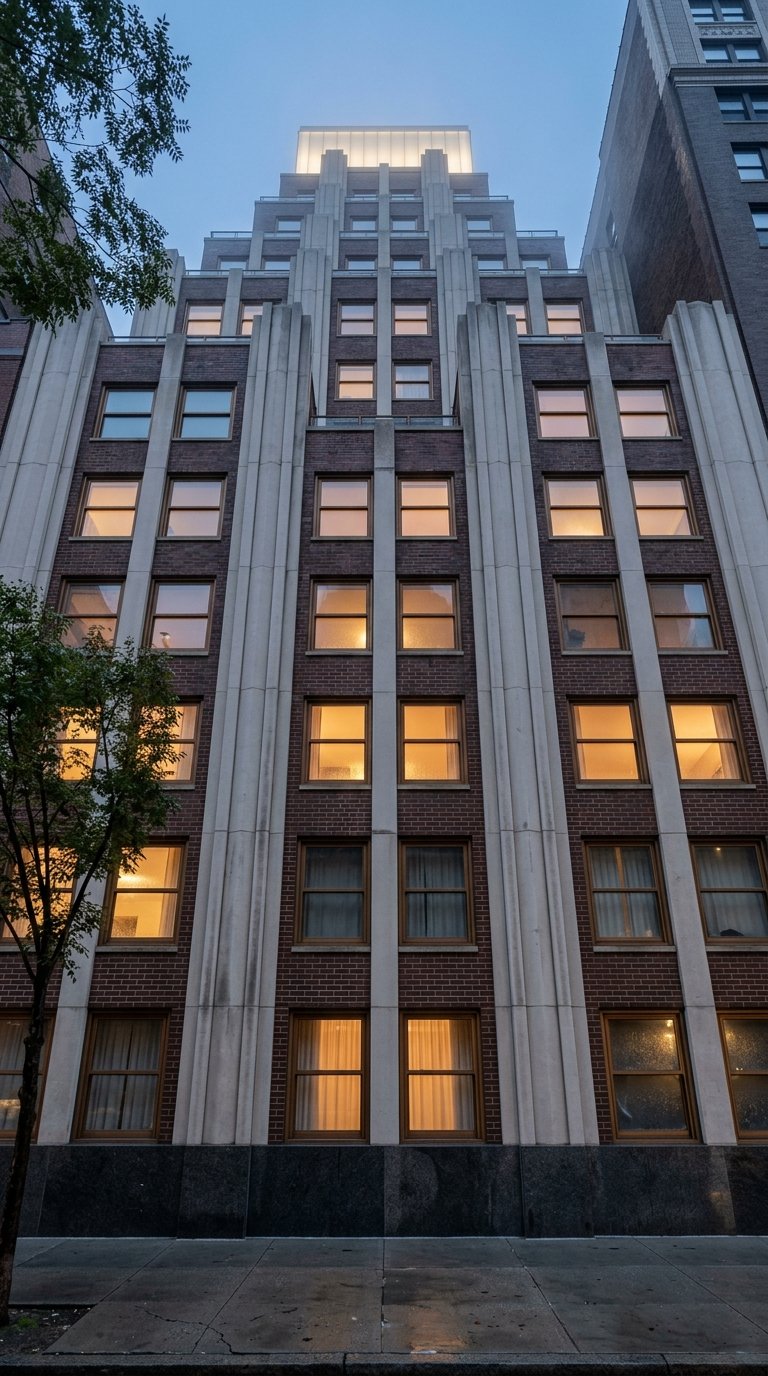
Uptown architecture is strongly shaped by older apartment houses, co-op-era buildings, and row-house blocks. Landmark Preservation Commission materials on the Upper West Side and Upper East Side highlight the long history of apartment-house living, brownstone-front row houses, and historic residential building patterns.
For you as a buyer, that can translate into a housing search that feels rooted in classic Manhattan residential stock. If you are drawn to prewar character, established apartment buildings, and traditional neighborhood streetscapes, uptown may feel like a more natural fit.
Dining tends to feel neighborhood-based
City food guides point to an uptown mix that includes cafes, brunch spots, bagels, vegan dining, Harlem jazz institutions, and restaurants around Central Park South. That mix often supports a lifestyle where your favorite places become part of your regular routine.
In practical terms, uptown dining can feel less like chasing the next hotspot and more like building habits around familiar local places. For many buyers, that kind of consistency is a real quality-of-life advantage.
What daily life feels like downtown
Downtown often feels denser, more layered, and more active across different times of day. In many neighborhoods, residential life sits right alongside office buildings, destination restaurants, tourism, nightlife, and ongoing redevelopment.
That combination creates energy. It also creates movement. If you enjoy being in the middle of changing streetscapes, late-night options, and a wider mix of uses packed closely together, downtown can feel especially compelling.
Streets can feel more in motion
Official district descriptions note that Lower Manhattan has been undergoing rapid demographic transformation. In areas like the Lower East Side and Chinatown, city sources also describe a strong connection to immigrant history and cultural diversity.
Together, those factors help explain why downtown can feel historic and fast-changing at the same time. You may walk past older masonry buildings, busy dining corridors, newer residential conversions, and nightlife activity all within a few blocks.
Housing includes lofts and conversions
Downtown’s older built environment is closely tied to cast-iron, store-and-loft, and masonry buildings. Landmark Preservation Commission reports describe SoHo and Tribeca in terms of cast-iron-fronted buildings, mercantile loft structures, and older commercial architecture adapted over time.
Downtown housing is also evolving through office-to-residential conversions. According to the New York City Comptroller’s office, recent conversion activity south of 59th Street could add about 14,500 apartments under current exemptions, with much of the major recent conversion activity concentrated in the Financial District. The same report notes a strong tilt toward studios and one-bedroom units in the pipeline.
For buyers, that can mean a downtown search may include more loft-style homes, converted buildings, and newer residential options shaped by former office space. If you like adaptive reuse, dramatic building character, or a more mixed-use feel, that can be a major draw.
Dining and nightlife run deeper into the day
Downtown food patterns look different from uptown. City food lists highlight Chinatown dim sum, Little Italy, Tribeca steakhouses, FiDi diners, East Village bars, and other late-night options.
There is also official planning work that reflects this after-hours energy. New York City created a Lower East Side quality-of-life plan for a six-block stretch on Ludlow and Orchard between Houston and Delancey to make the area safer, cleaner, less congested, and more enjoyable while continuing to support bars and restaurants.
That tells you something important about daily life downtown. The neighborhood experience often extends well beyond business hours, and the public realm has to adapt to that reality.
Green space feels different in each area
Both uptown and downtown offer meaningful access to parks, but the park experience is not the same. Uptown tends to center on large, iconic interior parks and long residential-edge park corridors.
Downtown green space often has a waterfront character. Hudson River Park covers 550 acres and stretches four miles from Battery Park City to West 59th Street, while The Battery offers a 25-acre park at Manhattan’s southern tip.
If your ideal outdoor time involves broad lawns, internal park drives, and classic park landscapes, uptown may line up better with your routine. If you prefer waterfront paths, harbor views, and outdoor space woven into a denser mixed-use setting, downtown may feel more natural.
Which area may suit your lifestyle
The better choice usually comes down to what you want your average Tuesday to feel like, not just your Saturday night. A neighborhood can look great on paper but still feel wrong if its daily rhythm does not match your habits.
Here is a simple way to think about it:
Uptown may fit you better if you want
- A more residential day-to-day feel
- Easier access to large park systems
- Historic apartment houses and traditional residential blocks
- Dining that feels more routine and neighborhood-based
- A home search focused on classic co-ops, condos, and prewar-style living patterns
Downtown may fit you better if you want
- A more mixed-use environment
- More visible street activity throughout the day and evening
- Loft buildings, conversions, and visually varied architecture
- Destination dining and stronger late-night energy
- A lifestyle shaped by density, movement, and neighborhood change
Why this matters when buying in Manhattan
When you are searching in Manhattan, it is easy to focus first on finishes, square footage, or building amenities. Those details matter, but your day-to-day experience often has a bigger impact on long-term satisfaction.
The right question is not just, “Do I like this apartment?” It is also, “Will I like my routine here?” That includes how you get outside, where you grab dinner, what the streets feel like at 8 a.m. and 10 p.m., and whether the surrounding housing stock matches the kind of home you actually want.
For some buyers, uptown offers the sense of structure and residential consistency they are after. For others, downtown delivers the energy, variety, and visual texture that make Manhattan feel most exciting.
A smart way to compare uptown and downtown
If you are torn between the two, try comparing them through real-life patterns instead of broad labels. Visit at different times of day, walk beyond the main avenues, and pay attention to what feels sustainable for your weekly routine.
It also helps to compare housing types, not just neighborhoods. In Manhattan, building style often shapes daily life as much as location does. A classic uptown co-op and a downtown conversion can offer very different living experiences even if both are equally appealing on a showing sheet.
If you want help narrowing down the right Manhattan fit for your lifestyle, search goals, and preferred building type, Maria Nica offers a thoughtful, high-touch approach to buying and selling across New York City.
FAQs
What is usually considered downtown Manhattan in this comparison?
- Downtown Manhattan commonly includes areas represented by Community Boards 1, 2, and 3, such as Tribeca, the Financial District, Battery Park City, Greenwich Village, SoHo, the Lower East Side, Chinatown, and the East Village.
What is usually considered uptown Manhattan in this comparison?
- Uptown Manhattan commonly includes areas represented by Community Boards 7 through 12, such as the Upper West Side, Upper East Side, Harlem, Washington Heights, and Inwood.
Is uptown Manhattan more residential than downtown Manhattan?
- In general, yes. Based on neighborhood mix, park systems, and housing patterns described in city sources, uptown is typically more residential and park-centered, while downtown is more mixed-use and active later into the day.
Does downtown Manhattan have more lofts and converted buildings?
- Downtown is more closely associated with cast-iron, store-and-loft, and masonry building types, and it has also seen significant office-to-residential conversion activity, especially in the Financial District.
How does green space differ between uptown and downtown Manhattan?
- Uptown is strongly shaped by large parks like Central Park and Riverside Park, while downtown green space often has a waterfront focus through places like Hudson River Park and The Battery.
Is dining different in uptown and downtown Manhattan?
- Yes. Uptown dining often feels more neighborhood-based, while downtown offers a broader mix of destination dining, bars, and late-night activity according to New York City food and planning sources.