Choosing a waterfront home in Queens is not just about views. It is about how you want your days to feel. If you are weighing Long Island City against the Rockaways, you are really comparing two very different versions of waterfront living, and knowing the difference can save you time, stress, and second-guessing. Here is what to know before you decide which Queens shoreline fits your lifestyle best.
Two waterfront lifestyles
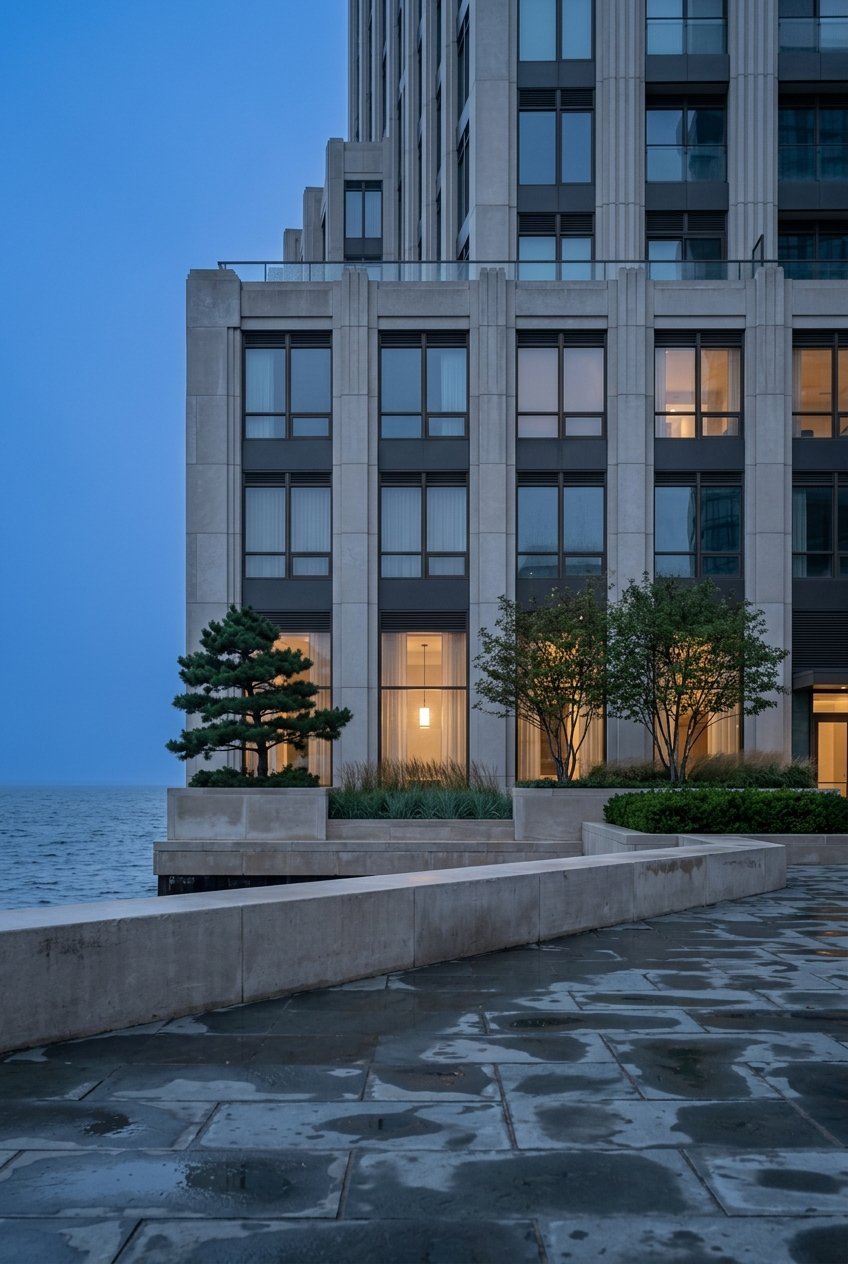
Queens offers a rare split-screen version of waterfront living. In Long Island City, you get a dense, fast-moving neighborhood shaped by high-rise development, strong transit, and a growing network of public waterfront space. The Queens Community Board 2 overview of Long Island City describes it as a neighborhood known for rapid development, waterfront parks, and a thriving arts community.
The Rockaways offer something different. City planning documents describe the peninsula as a primarily residential, low-rise, beach-oriented area with one- and two-family detached homes, bungalows, rowhouses, and multifamily buildings. That gives many parts of the Rockaways a quieter, more residential rhythm than LIC.
Long Island City at a glance
Long Island City is the westernmost residential and commercial neighborhood in Queens, and it feels closely tied to the rest of the city. The area has one of New York City’s highest concentrations of galleries, arts institutions, and studio space, which helps explain why the neighborhood often feels active beyond the workday. If you want a waterfront setting without giving up an urban pace, LIC tends to stand out.
Housing in LIC is often associated with condos and newer development. That matches the neighborhood’s ongoing planning activity and the larger development pattern along the waterfront. The city’s OneLIC neighborhood plan is aimed at adding housing, public space, and a continuous esplanade from Gantry Plaza State Park to Queensbridge Park.
The Rockaways at a glance
The Rockaways feel more like an oceanfront residential community than a high-density city district. According to city planning materials, older bungalows were converted over time into year-round homes, and many areas still have a lower-rise streetscape. In places like Far Rockaway and Rockaway Park, local commercial corridors support residents throughout the year, while the beach and boardwalk bring in seasonal visitors.
If you are looking for space, beach access, and a more relaxed daily routine, the Rockaways may feel like a better fit. The housing mix is broader in form and often more grounded in traditional residential layouts than what you typically find in LIC.
Transit and commute differences
LIC transit options
Transit is one of LIC’s biggest strengths. The MTA 7 line map shows service at Vernon Blvd-Jackson Av, Hunters Point Av, and Court Sq, while the G train serves Court Sq and the E train stops at Court Sq-23 St. For many buyers, that level of transit overlap adds flexibility to everyday commuting.
Ferry service also plays a real role in the neighborhood. The NYC Ferry East River route serves Hunters Point South and connects the waterfront with Midtown and the Financial District. If your routine depends on having multiple ways to get where you need to go, LIC offers a strong case.
Rockaways transit options
The Rockaways rely on a wider mix of transit, but the commute can be more route-dependent. The MTA A line map shows service to both the Far Rockaway branch and the Rockaway Park branch, and Far Rockaway also has an accessible LIRR station. NYC Ferry also serves the peninsula, with the Rockaway ferry landing at Beach 108th Street and Beach Channel Drive.
For beach access and local movement, the MTA points riders to the Rockaway Park Shuttle, Far Rockaway-bound A trains, and buses including the Q35 and Q53 SBS in its Rockaways beach transit guide. In practical terms, the Rockaways can work well for many buyers, but daily commuting usually requires more planning than it does in LIC.
Outdoor life feels completely different
LIC parks and riverfront
In LIC, outdoor life centers on the East River. Gantry Plaza State Park is known for river access and skyline views, while Hunters Point South Park includes a promenade, dog run, picnic terraces, kayak and canoe launch sites, and a viewing platform. The experience here is less about escape and more about integrating outdoor time into a city lifestyle.
There is also long-term investment in connectivity. NYC DOT has launched planning for a 16-mile Queens Waterfront Greenway that would connect Gantry Plaza State Park to Fort Totten Park. For buyers who value walking, biking, and structured waterfront access, that future-facing piece matters.
Rockaways beach and nature
The Rockaways deliver a different kind of waterfront routine. Rockaway Beach and Boardwalk is New York City’s only oceanfront beach and only legal surfing beach, according to NYC Parks. The area also includes concessions, playgrounds, and a boardwalk bike path, making it useful well beyond a few summer weekends.
The broader outdoor network is part of the appeal too. Jacob Riis Park adds beach and boardwalk access, and Jamaica Bay Wildlife Refuge offers more than 12,600 acres of wetlands and one of the largest bird habitats in the northeastern United States. If your ideal waterfront life includes sand, open sky, and nature access, the Rockaways offer a very different experience from LIC’s riverfront setting.
Dining and everyday energy
LIC tends to offer more close-at-hand variety in dining, culture, and nightlife. NYC Tourism describes the neighborhood as a mixed-use district with museums, waterfront parks, comedy clubs, destination dining, and street food, which matches the area’s arts-forward and mixed residential-commercial identity. For many buyers, that means it is easy to step outside and have options nearby.
The Rockaways have a more casual, beach-centered food and drink culture. The overall atmosphere leans seasonal in feel, even though it serves year-round residents. If you prefer a more laid-back rhythm over a dense concentration of venues, that contrast may matter just as much as square footage or commute time.
Housing style and buyer fit
Here is the simplest way to think about it: LIC is usually a stronger fit if you want convenience, vertical living, and a Manhattan-connected routine. The Rockaways are often a better fit if you want ocean access, a lower-rise environment, and more of an outdoors-first lifestyle.
That does not mean one is better than the other. It means the right choice depends on how you define comfort, access, and day-to-day ease. Buyers relocating within New York City often benefit from thinking beyond the listing itself and focusing on how each neighborhood supports the routine they actually want.
Market context to keep in mind
Market conditions add another layer. StreetEasy reported that Queens inventory improved in late 2025, and Long Island City was among the neighborhoods with some of the largest inventory gains. That can create more options for buyers, even when desirable homes still move quickly.
Long Island City remains one of Queens’ higher-end waterfront submarkets and is closely tied to condo and new-development sales, according to the Douglas Elliman Queens market report. The same report noted softer price trends in Rockaway Queens relative to the borough overall in early 2025, which aligns with its more residential, lower-rise profile.
Don’t overlook resiliency
Waterfront living is appealing, but it also comes with practical questions. In LIC, the OneLIC plan highlights a more resilient waterfront access pattern. In the Rockaways, shoreline and transit infrastructure have also been the focus of major resiliency work in response to storm exposure.
That does not mean you should avoid waterfront property. It means your search should include careful attention to building type, location, and long-term infrastructure context. This is where local guidance becomes especially valuable.
How to choose between LIC and the Rockaways
If you are deciding between these two areas, ask yourself a few simple questions:
- Do you want your waterfront life to feel urban or coastal?
- Is commute flexibility a top priority?
- Would you rather be near riverfront parks or an ocean beach?
- Do you picture yourself in a newer condo setting or a lower-rise residential area?
- Is your routine more centered on restaurants and cultural venues, or on open space and outdoor recreation?
Your answers can narrow the search quickly. Queens waterfront living is not one thing, and that is exactly what makes it compelling.
If you want help comparing neighborhoods, weighing lifestyle tradeoffs, or identifying the right fit for your next move, Maria Nica offers a thoughtful, high-touch approach backed by strong market insight across New York City.
FAQs
What is the main difference between Long Island City and the Rockaways for waterfront living?
- Long Island City offers a denser, transit-rich riverfront lifestyle with newer development and urban amenities, while the Rockaways offer a more residential oceanfront setting with beach access, lower-rise housing, and a slower pace.
How is transit different in Long Island City compared with the Rockaways?
- Long Island City has strong subway and ferry redundancy, while the Rockaways rely on a broader mix of subway, bus, ferry, and in Far Rockaway, LIRR, which can make daily commuting more route-dependent.
What kinds of homes are common in the Rockaways?
- City planning documents describe the Rockaways as having one- and two-family detached homes, bungalows, rowhouses, and multifamily buildings, with a generally low-rise residential character.
What outdoor amenities define Long Island City waterfront living?
- Long Island City is anchored by Gantry Plaza State Park and Hunters Point South Park, with river access, promenades, skyline views, and waterfront spaces designed for walking, relaxing, and recreation.
What makes the Rockaways unique among New York City waterfront areas?
- The Rockaways include New York City’s only oceanfront beach and only legal surfing beach, plus access to the boardwalk, Jacob Riis Park, and Jamaica Bay Wildlife Refuge.
Is Long Island City or the Rockaways better for buyers seeking a quieter pace?
- Buyers who want a quieter, more residential, outdoors-first rhythm often find the Rockaways more aligned with that goal than Long Island City’s denser and more urban setting.