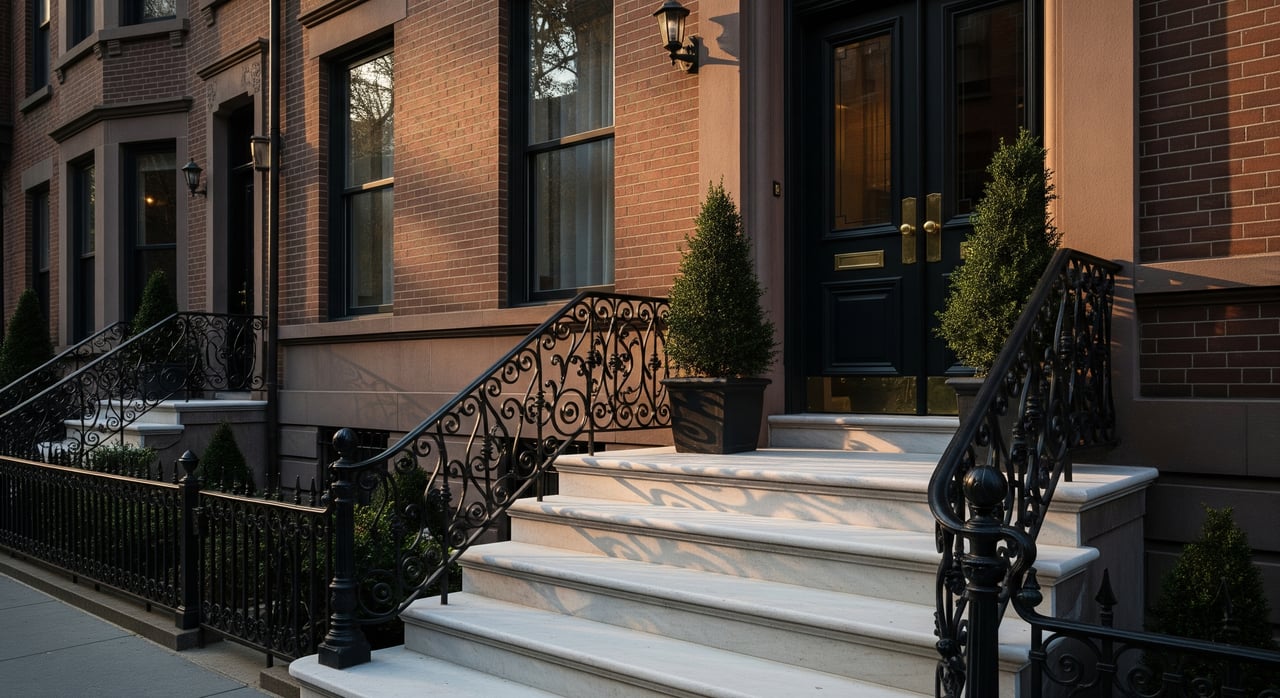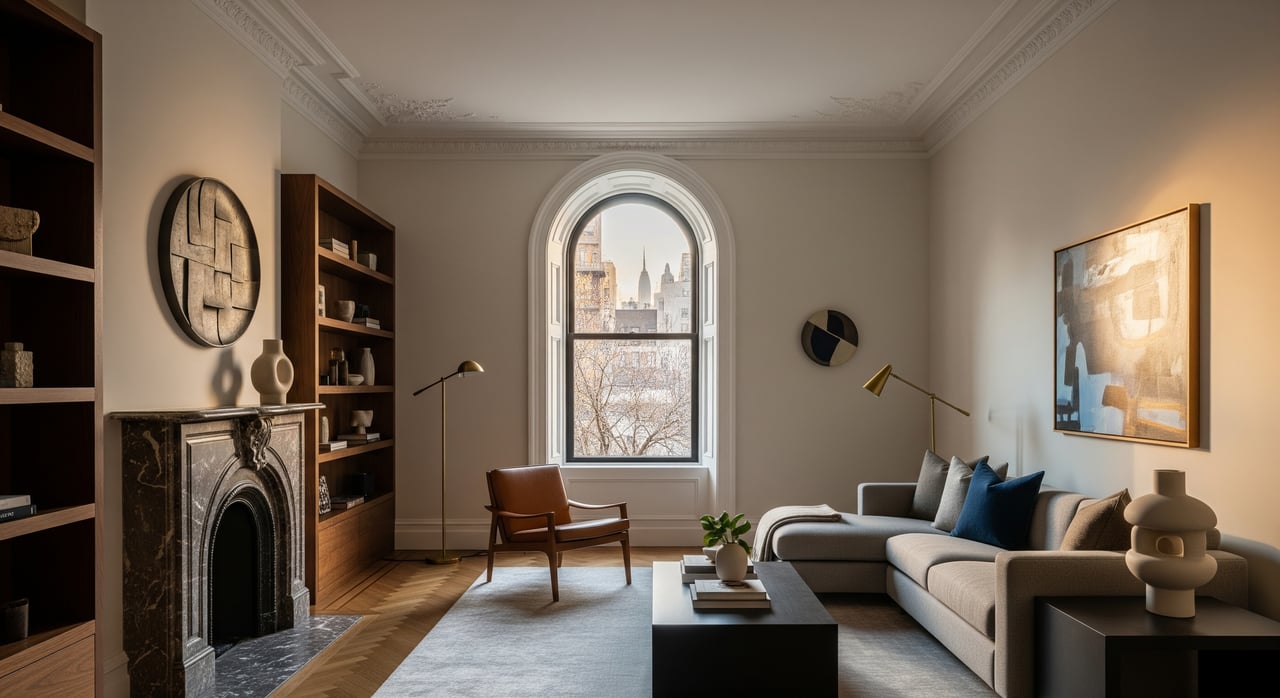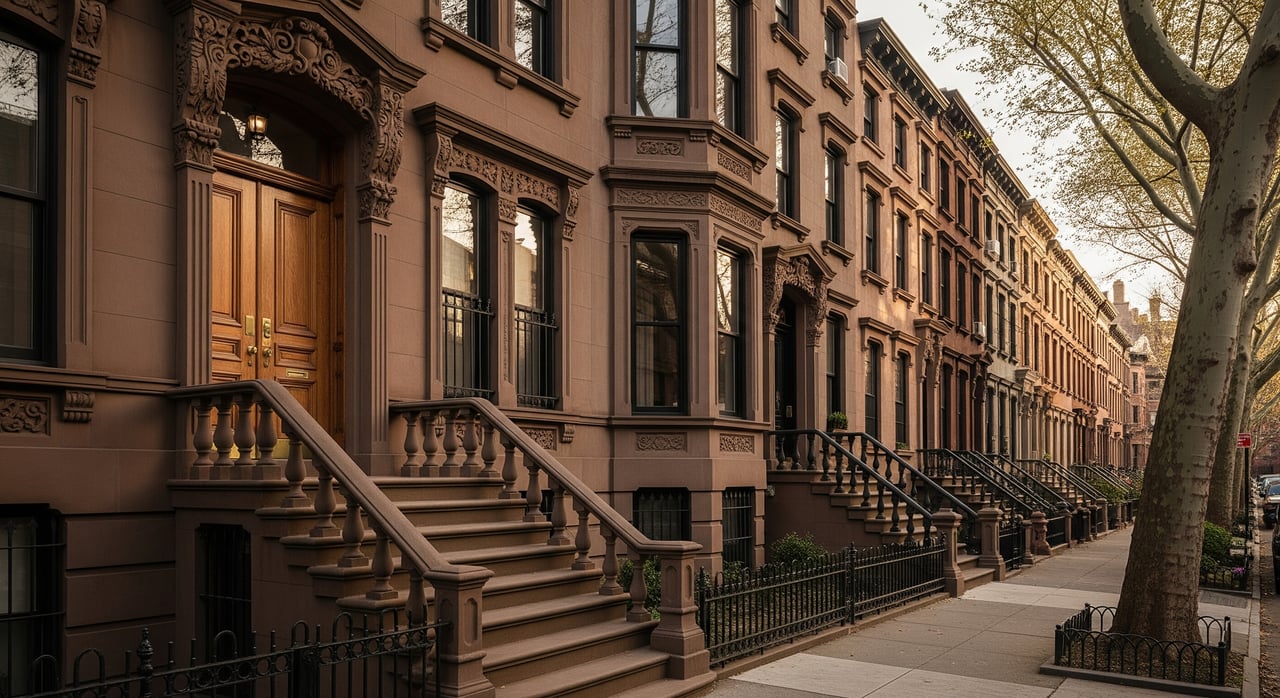
Buying a brownstone with original details is exciting, but owning in a Brooklyn historic district comes with extra rules. You want to protect that character and also plan smartly for permits, costs, and timelines. This guide explains how historic designation works, what changes need approval, what to expect for projects and budgets, and which tax credits might help. Let’s dive in.
Historic districts in Brooklyn: the basics
Brooklyn has many New York City Landmarks Preservation Commission (LPC) historic districts. These districts protect the look and feel of the streetscape and regulate exterior changes.
Check your property’s status first
Use the LPC’s Discover NYC Landmarks map to confirm if a property is an individual landmark or inside a historic district. The map shows building status, boundaries, and designation reports for each district. Start here before planning any work: Discover NYC Landmarks map. For a borough view, review the Brooklyn historic district list and maps.
What types of designations matter
For most homeowners, the relevant designations are individual landmarks and historic districts. LPC regulates exterior changes on visible areas of these properties. Interior landmark status is rare for private homes and applies only to interiors that are customarily open to the public.
What work needs LPC approval
The rule of thumb is simple: most exterior changes visible from a public way require an LPC permit. Routine maintenance that does not change appearance often does not.
Exterior vs. interior work
Ordinary maintenance like replacing broken window glass or repainting to match existing color usually does not need LPC review. Interior work needs LPC approval only if it affects the exterior, requires a Department of Buildings (DOB) permit, or the interior itself is landmarked. Get the basics from LPC’s guide to permits and making alterations.
Permit types and timelines
Many small or like-for-like exterior changes qualify for staff-level permits, which are faster. Larger changes, new additions, or removal of significant features typically require a Certificate of Appropriateness with a public hearing. LPC notes that staff issues most permits and that C of A reviews can take a few months once an application is complete. Learn more about the Certificate of Appropriateness process.
Coordinating with DOB
Some projects need DOB permits, such as structural work or enlargements. Expect coordination between LPC and DOB, and build that into your timeline. See the city’s overview of how to perform work on a landmarked property.
Common Brooklyn projects and what to expect
Windows and doors
Window replacements visible from the street usually require LPC review. Matching profiles, materials, and sightlines helps speed approvals. Routine repairs, like replacing a broken pane, generally do not need LPC permits. See LPC’s permits and alterations guidance.
Stoops, cornices, and brownstone facades
These features define many Brooklyn streets. Repairs that keep historic materials and match existing details are more likely to be approved at staff level. Removal or major changes often require a Certificate of Appropriateness.
Rooftop additions and visibility
Rooftop work is closely reviewed for visibility from public streets. If visible, expect more scrutiny and a possible public hearing. Early conversations with LPC staff can save time.
Solar and climate upgrades
LPC has expanded staff-level review for some solar installations and other sustainability measures when designs minimize visibility and protect historic fabric. Check the Commission’s recent update on new permit tools and guidance for sustainability-forward projects: LPC permit guidebook and mapping tools update.
Enforcement and violations
Doing exterior work without LPC permits can lead to warnings, fines, and orders to correct. Paying a fine does not remove the underlying violation, and current owners can be responsible for unauthorized work done by prior owners. If you receive a notice, contact LPC Enforcement promptly: violations and enforcement.
Costs, insurance, and incentives
Budget for specialized restoration
Historic masonry, brownstone, woodwork, and cornices often require specialized trades. Costs vary by condition and scope, and restoration can be more expensive than modern replacements. Plan for a premium on façade repairs, repointing, and detailed restoration, and build in time for LPC review.
Insurance considerations
Insurers may price policies differently for historic materials and finishes. Ask your broker about replacement-cost coverage, endorsements for historic elements, and code-upgrade coverage. Documenting historic features can help with accurate quotes.
Grants and tax credits
- Federal credit: The 20 percent federal rehabilitation tax credit applies only to income-producing properties. Owner-occupied primary homes do not qualify, aside from any portion used for rental or business. Review the National Park Service guide to federal tax credit eligibility.
- New York State credit for homeowners: Some Brooklyn homeowners may qualify for the New York State Historic Homeownership Rehabilitation Credit. It provides 20 percent of qualified rehabilitation expenses up to 50,000 dollars per taxpayer per year, with location and project requirements. Confirm eligibility first on the NYS Historic Homeownership Rehabilitation Credit page.
- Local grants: LPC and partner programs sometimes offer targeted grants for façade and related work, subject to availability and criteria. Check for current announcements.
Market impact: what research shows
City and academic research find that historic-district designation in NYC often correlates with higher price appreciation compared to similar areas outside districts, though effects vary by location and building type. For context, see the NYU Furman Center’s summary of the effects of historic districts on housing prices.
Buyer and seller checklist
- Confirm status and rules
- Verify designation and read the designation report using the LPC Landmarks map.
- Pull permit and violation history
- Ask the seller for LPC permits, filings, and any enforcement notices. If violations exist, contact LPC Enforcement for next steps.
- Plan realistic budgets
- Get condition assessments and quotes that reflect period-appropriate materials and methods. Add contingency for scaffolding, sample panels, and seasonality.
- Schedule permitting time
- Hire an architect or preservation consultant with LPC experience. For major exterior changes, plan for a public hearing and community board input.
- Coordinate agencies early
- For work that needs DOB permits, align LPC review and building filings from the start.
- Check incentives
- Review the New York State homeowner credit and any federal credits relevant to income-producing portions. Confirm eligibility before budgeting.
- Talk to your insurer and lender
- Confirm replacement-cost coverage and any special endorsements for historic features.
Owning in a Brooklyn historic district rewards you with lasting character and often strong long-term value. With the right plan, approvals, and specialists, you can preserve what makes your home special while upgrading for modern living. If you want a clear strategy for buying or improving a landmarked home, connect with Maria Nica for tailored guidance.
FAQs
How do I find out if a Brooklyn home is in a historic district?
- Use the LPC’s Discover NYC Landmarks map to check designation status, boundaries, and building details for any Brooklyn address.
How long do LPC approvals take for exterior changes?
- Staff-level permits can be faster, while a Certificate of Appropriateness with a public hearing often takes a few months once the application is complete.
Can I install solar panels on a landmarked Brooklyn townhouse?
- Often yes, if they are thoughtfully sited to minimize visibility and protect historic fabric, and you obtain LPC approval.
What if the previous owner did work without LPC permits?
- You may need to correct the violation even if you did not perform the work, so review enforcement history and address issues with LPC promptly.
Do owner-occupied homes qualify for the federal historic tax credit?
- No. The 20 percent federal rehabilitation tax credit applies only to income-producing properties, not primary residences.
Do historic districts affect property values in Brooklyn?
- Research suggests many NYC historic districts see higher appreciation than comparable non-designated areas, though results vary by neighborhood and building type.