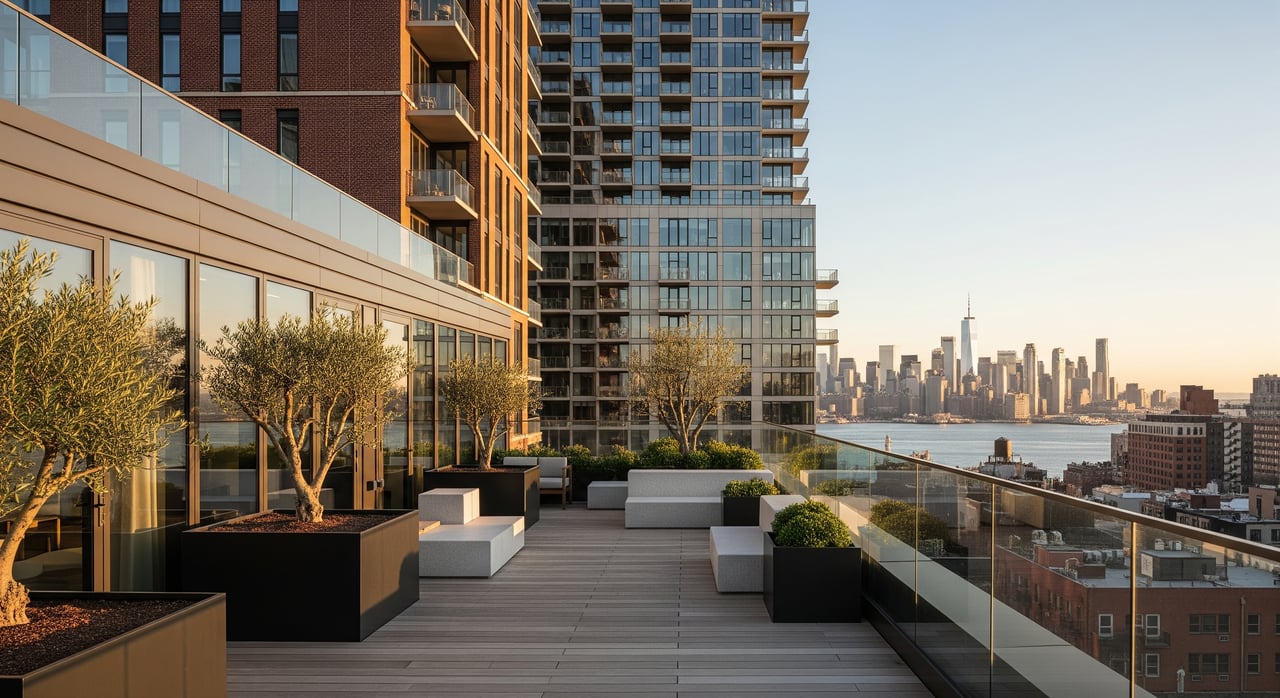
Choosing between a new development in Manhattan or Brooklyn can feel like comparing apples to oranges. You want the right mix of space, amenities, and long-term value without getting surprised by high monthly costs or slow resale demand. This guide shows how the two boroughs stack up on pipeline, price bands, absorption, amenities, and sponsor incentives, with a close look at what buyers in 11216 can expect. Let’s dive in.
Near-term pipeline: what to expect
Manhattan: high-profile yet selective supply
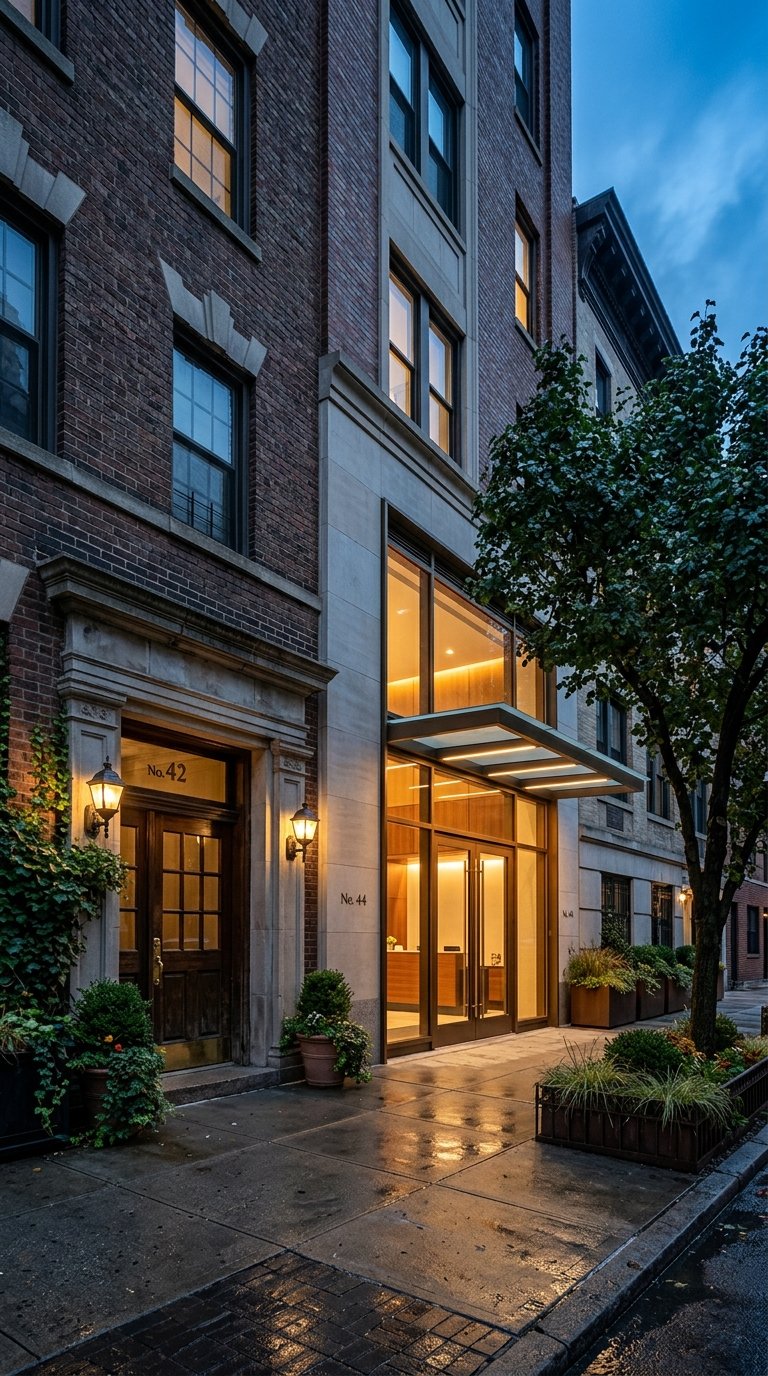
Manhattan’s near-term pipeline leans toward high-end condo towers, luxury conversions, and carefully chosen mid-rise infill. Delivery can be lumpy, with a few headline projects hitting the market each year. Unit counts per building often skew smaller, while price per square foot and service levels trend higher. Developers and capital focus on trophy locations and full-service living, so inventory tends to concentrate at higher price tiers.
Brooklyn: steadier, neighborhood-driven projects
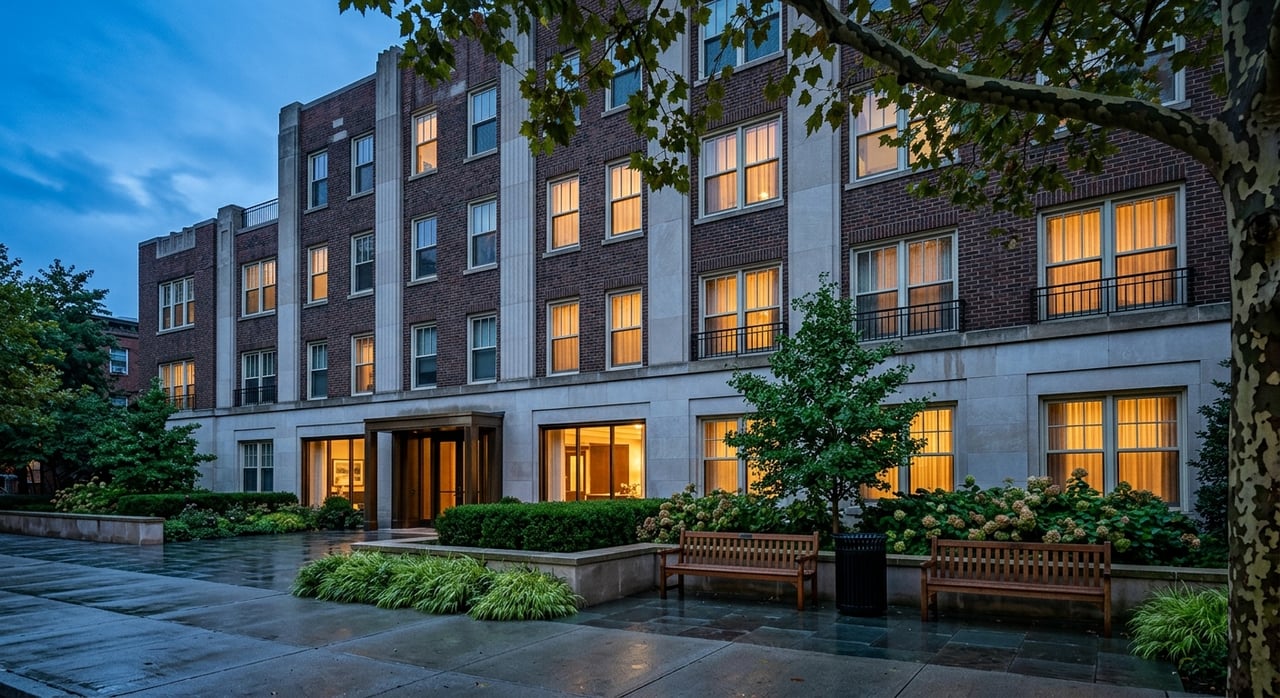
Brooklyn’s pipeline is more dispersed. Large condos and rentals are common in central and west Brooklyn neighborhoods like Downtown, Williamsburg, and Greenpoint. Around 11216, you will see more boutique condo buildings, townhouse conversions, and low- to mid-rise new construction rather than supertalls. These projects often target local demand and emphasize practical layouts over spectacle.
Timing and buyer fit
Both boroughs can shift quickly based on financing, construction timelines, and approvals. Manhattan’s larger, high-profile launches may create short windows of choice inventory, especially in luxury tiers. Brooklyn’s steadier flow spreads options across more neighborhoods and price points, with 11216 geared to buyers who prioritize livable space and everyday convenience.
Where your budget goes further
Price-per-foot and layout tradeoffs
For the same total budget, you generally get more square footage in Brooklyn and a greater chance of private outdoor space. Manhattan’s median price per square foot runs higher across most bands. That often means smaller unit sizes, a higher share of studios and one-bedrooms, and fewer balcony or terrace options. In many Brooklyn neighborhoods outside the top-tier price points, you can unlock larger layouts and practical storage.
Absorption patterns to watch
New-development absorption has been sensitive to mortgage rate shifts since 2022. When rates rise, buyers become more price-aware and developers often increase incentives to maintain velocity. In Manhattan, ultra-luxury projects can slow if top-tier buyers pause, while well-priced, well-amenitized buildings still move. In Brooklyn, entry-to-mid-market condos and rentals tend to sell faster, particularly in neighborhood-focused locations. Absorption can taper at higher price tiers or in oversupplied pockets.
What this means for 11216 buyers
Near 11216, demand often favors practical, family-sized floor plans and value-forward product. Smaller boutique developments can perform well when pricing and layouts resonate with local buyers. If your goal is more space and everyday functionality, this ZIP code can stretch your budget further than comparable Manhattan options. Weigh that against commute considerations and monthly costs to decide what delivers the best long-term fit.
Amenities and monthly costs
Manhattan amenity profile
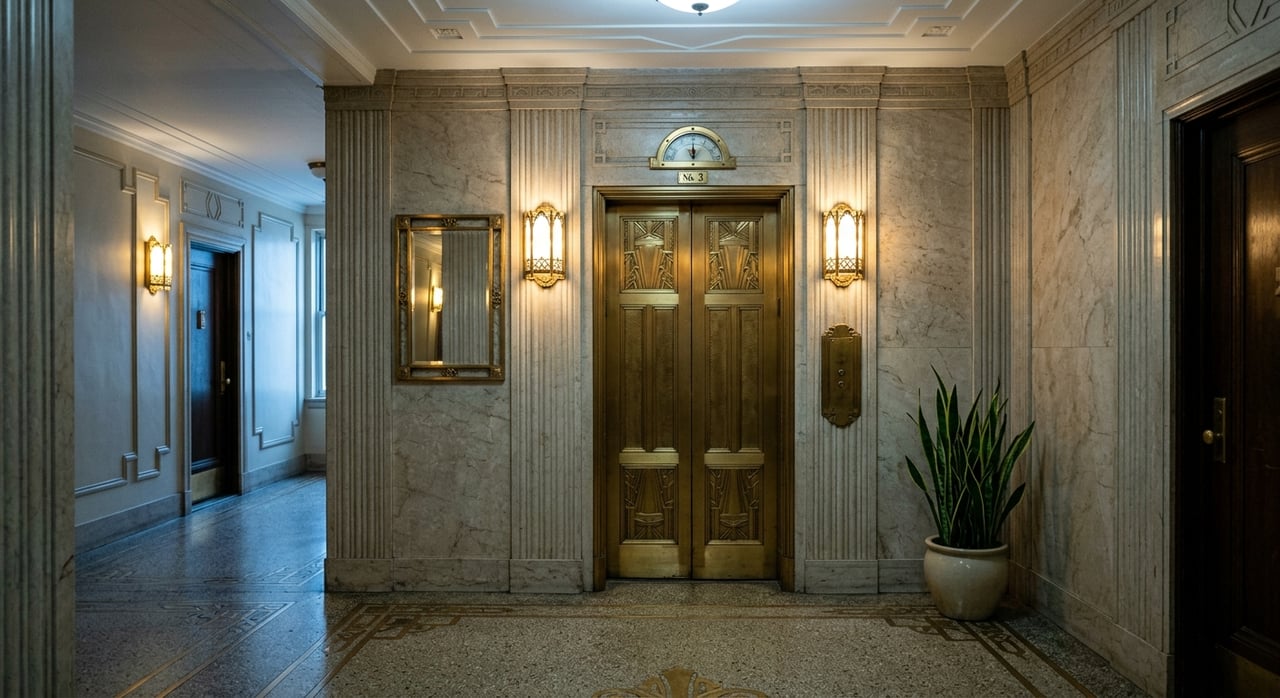
Manhattan new developments often deliver a full-service lifestyle: staffed lobbies, 24/7 concierge, larger fitness and wellness spaces, children’s playrooms, and sometimes pools or spa-level facilities. These features can be great for convenience but typically come with higher common charges. The positioning is clear: a complete, service-oriented package.
Brooklyn amenity profile
Brooklyn amenities often align with neighborhood living. Expect landscaped rooftops, shared outdoor spaces, co-working lounges, bike rooms, pet features, and efficient fitness rooms. Around 11216, smaller projects may favor quality finishes, storage solutions, and private outdoor areas over expansive amenity suites. Larger Brooklyn developments can approach Manhattan-style packages but often at lower relative cost.
What to check in the operating budget
Before you fall in love with the amenity list, review the building’s projected monthly expenses.
- Common charges and what they include
- Property tax estimates and condo vs co-op considerations
- Staffing levels and hours of service
- Maintenance-heavy amenities that could drive future increases
Compare two listings: a quick framework
Use this checklist to decide where your budget truly goes further:
- Square footage and layout: Focus on usable space and efficiency, not just headline square feet.
- Private outdoor space: Terrace or balcony value varies by building and floor.
- Monthly costs: Compare common charges and taxes alongside mortgage payments.
- Commute and lifestyle: Time and transit access can outweigh price differences for many buyers.
- Resale and rental demand: Neighborhood services and transit options often support steadier demand over time.
- Sponsor profile and sell-through: Strong projects with clear momentum can offer better confidence and sometimes better incentives.
Sponsor incentives and negotiation strategy
Common incentives you can ask for
Developers frequently use incentives to preserve momentum, especially when rates are elevated or sell-through slows.
- Closing cost or down payment credits
- Mortgage rate buydowns or short-term interest subsidies
- Finish or appliance upgrades
- Credits for storage, furniture, or parking where applicable
- Temporary price adjustments or staged reductions
- Flexible or delayed closing windows
How incentives vary by tier and timing
Entry and mid-market projects, including many near 11216, tend to offer smaller but meaningful incentives that help with upfront costs. Manhattan luxury sponsors may provide flexible packages when absorption slows, sometimes preferring upgrades or closing credits over visible price cuts. Early launch phases often feature promo pricing, while later stages can bring larger concessions if inventory lingers.
Evaluate any incentive in five steps
- Convert incentives into an effective price. Compare a rate buydown or credit to a straight price reduction.
- Check fine print and conditions, including preferred lenders or attorneys.
- Assess monthly impact. Some incentives lower upfront costs but not monthly charges.
- Compare comps and concessions to ensure the deal is market-competitive.
- Understand appraisal and financing effects. A price reduction can be more durable in underwriting than certain credits.
Tactics that strengthen your offer
- Use data: Ask for sell-through rates, list-to-contract trends, and current inventory by tier.
- Structure with clarity: A short letter of intent with desired incentives and timelines helps focus negotiations.
- Show financing certainty: Strong pre-approval and flexible closing dates boost leverage.
- Shop release phases: Early buyers get choice units and promos; later buyers may secure concessions if momentum slows.
- Consider non-price asks: Parking preference, fit-out allowances, or finish upgrades can be easier for sponsors to grant.
Spotlight on 11216: Bedford-Stuyvesant area
What you will likely find
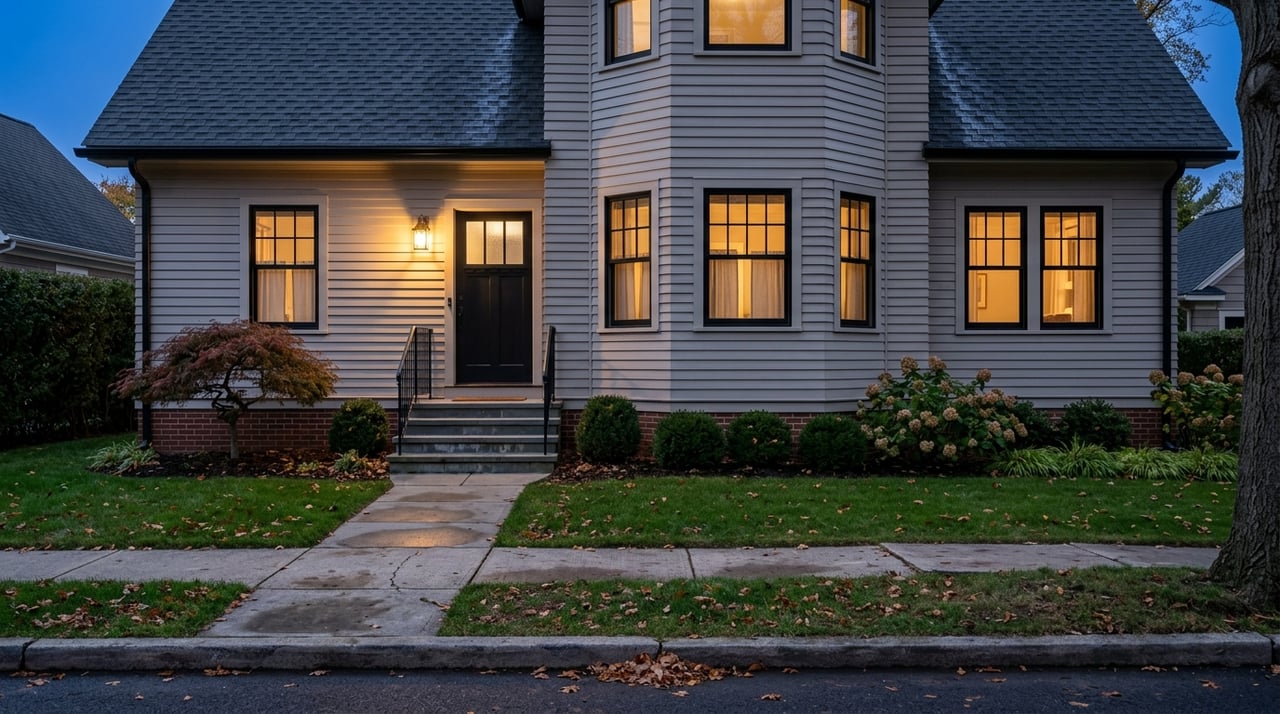
Expect a mix of boutique condos, townhouse conversions, and low- to mid-rise new builds. Layouts often emphasize livable square footage and bedroom count over flashy amenities. Private outdoor spaces such as balconies or terraces show up more frequently here relative to the same budget in Manhattan.
Who these homes serve
Projects typically target local professionals, first-time buyers, and move-up households seeking space and value. If you plan to hold, consider neighborhood services, transit access, and the track record of nearby developments. These can support steady resale and rental demand over time.
Commute and lifestyle tradeoffs
Commute times vary by exact address and transit line. Many buyers find the larger living spaces and private outdoor areas in 11216 offset a longer commute. Factor transportation time and costs into your monthly budget and quality-of-life goals.
Negotiating locally
Because many 11216 projects are smaller, incentives may be less standardized and more relationship-driven. Clear communication, a well-prepared offer, and an experienced buyer agent can help you secure the right combination of price, credits, and upgrades.
Your next step
If you want more space, flexible layouts, and thoughtful amenities, 11216 and wider Brooklyn offer compelling options. If you prefer full-service living with elevated amenity suites, certain Manhattan projects can be worth the premium. Either way, you will benefit from a strategy that compares effective prices, monthly costs, and sponsor concessions across a few targeted buildings. When you are ready to tour and negotiate with confidence, connect with Maria Nica for a tailored, data-driven plan.
FAQs
Will my budget go further in Brooklyn or Manhattan for new development?
- Generally, Brooklyn offers more square footage and a higher chance of private outdoor space for the same budget, while Manhattan typically commands a higher price per square foot.
Are developers offering incentives right now in NYC new developments?
- Yes. You may see closing credits, rate buydowns, finish upgrades, or flexible closings, with size and form varying by project tier and timing.
How do amenities affect monthly costs in new construction condos?
- Premium amenities and full staffing can raise common charges. Review the operating budget to see what is included and how services are staffed.
What should a buyer in 11216 focus on when comparing listings?
- Prioritize layout efficiency, total monthly costs, outdoor space, sponsor profile, and transit access. These factors drive long-term value and livability.
Is it better to negotiate price or incentives with a sponsor?
- Convert each incentive to a dollar value and compare to a price cut. Choose the option that best improves your effective price and monthly carrying costs.